Peyronie's & penile curvature correction in Busan Seomyeon — phase decides.
At Urogyn in Busan Seomyeon, one minute from Seomyeon Station Exit 7: a bend that makes sex difficult or painful is treatable — but the right treatment depends on the phase. A board-certified urologist uses ultrasound to grade your curvature and plaque, then matches it: injections and PRP while it's still active, or plication and grafting surgery once it's stable. Honest about what straightens a curve and what doesn't. From ₩3,000,000.
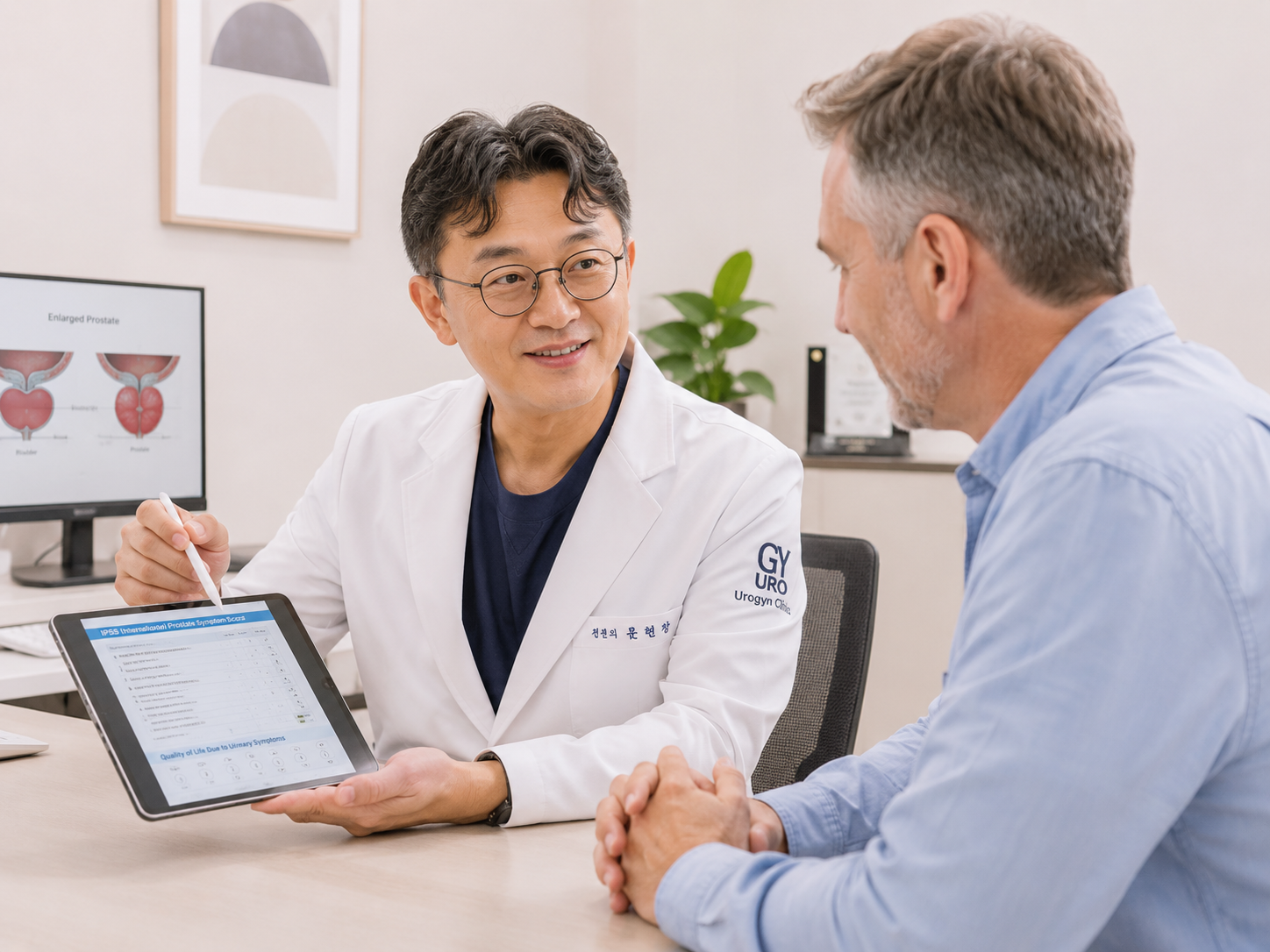
"For the men who come to our Busan clinic, the single most important question with a curve is whether it's still changing. Operate on an active, evolving curve and it can recur. I use ultrasound to confirm the plaque is stable first — then the surgery, whether plication or grafting, gives a result that lasts. Rushing this is the classic mistake."
— Dr. Moon Hyeon-chang, Director
What men describe to our Busan urologists about a bend.
- It developed over months rather than being there all my life, and it is still changing.
- Erections are painful, and I can feel a firm band or lump along the shaft.
- The bend now makes intercourse difficult or impossible for one of us.
- It seems shorter than it was, and I do not know whether that is related.
- Is there anything that works without surgery, or have I left it too late?
All five come up at our Busan Seomyeon clinic. The first two describe the active phase, where operating is the wrong move and non-surgical treatment is the right one. The sections below explain why the phase decides everything, and what each route honestly achieves.
How is penile curvature treated in Busan?
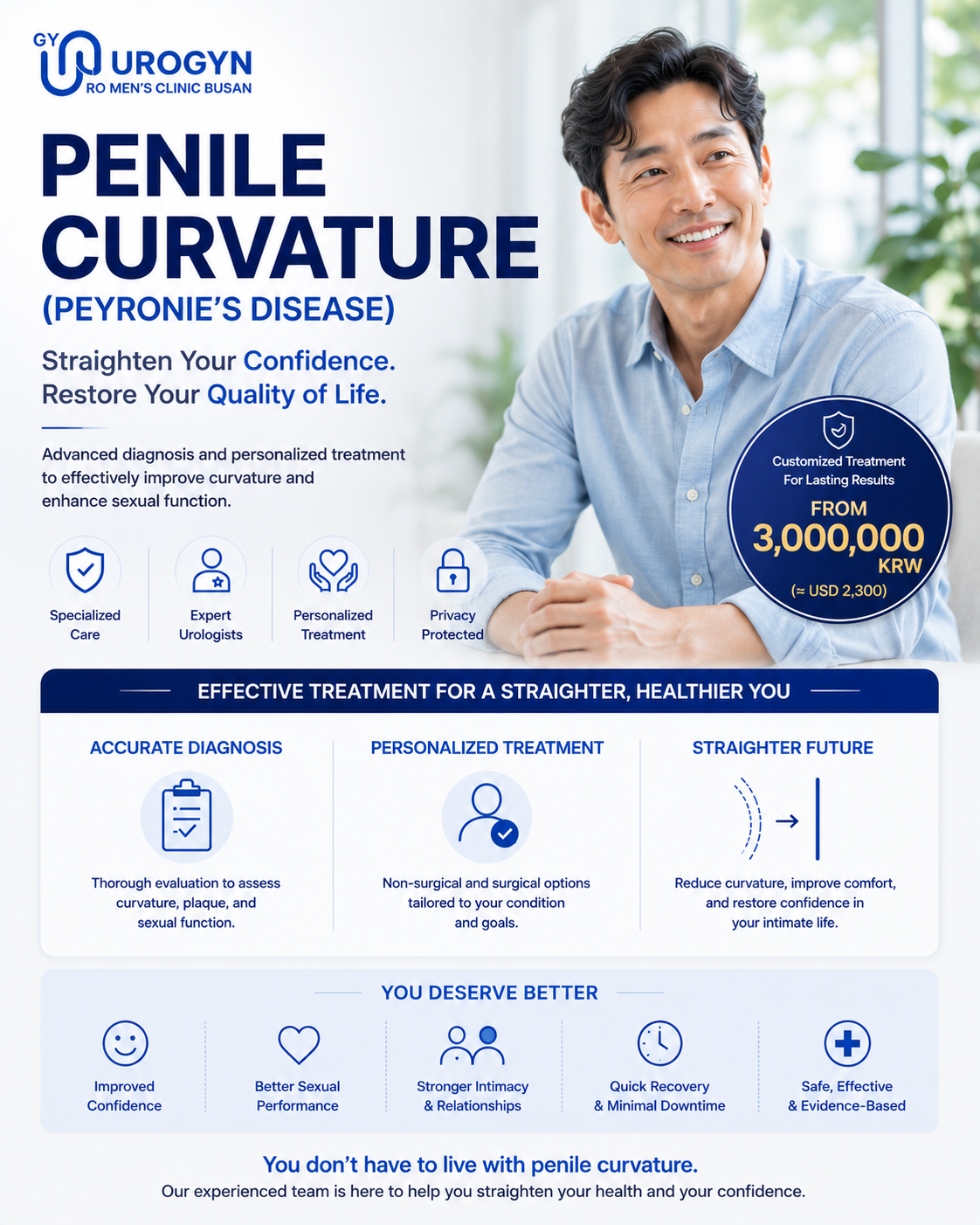
By phase before anything else. At Urogyn Men's Clinic in Busan Seomyeon a board-certified urologist grades the curve and plaque with ultrasound and establishes whether the disease is still active — painful, changing, inflammatory — or has stabilised. Active disease is treated with injections and PRP; stable disease is corrected surgically from ₩3,000,000, by plication for a bend without major shortening or grafting for a severe curve or hourglass deformity.
Operating during the active phase is the commonest mistake, because the curve continues to change afterwards and the correction is undone. That is why our Busan urologists will tell a man with a three-month-old painful bend to wait and treat medically first, even though the operation is the larger fee. The other honest point is the outcome itself: the goal is a functional, much straighter penis, not a perfectly straight one, and every correction trades a small amount of length for the straightening.
Phase & severity guide treatment at our Busan clinic.
Peyronie's evolves through phases, and the curve's direction and degree decide the approach.
Active (inflammatory) phase
Pain and a changing curve over the first 6–18 months. The plaque is still forming, so non-surgical treatment is preferred here.
Stable phase
Pain settles and the curve stops changing. Once stable, surgery gives a durable, predictable correction.
Bend without major shortening
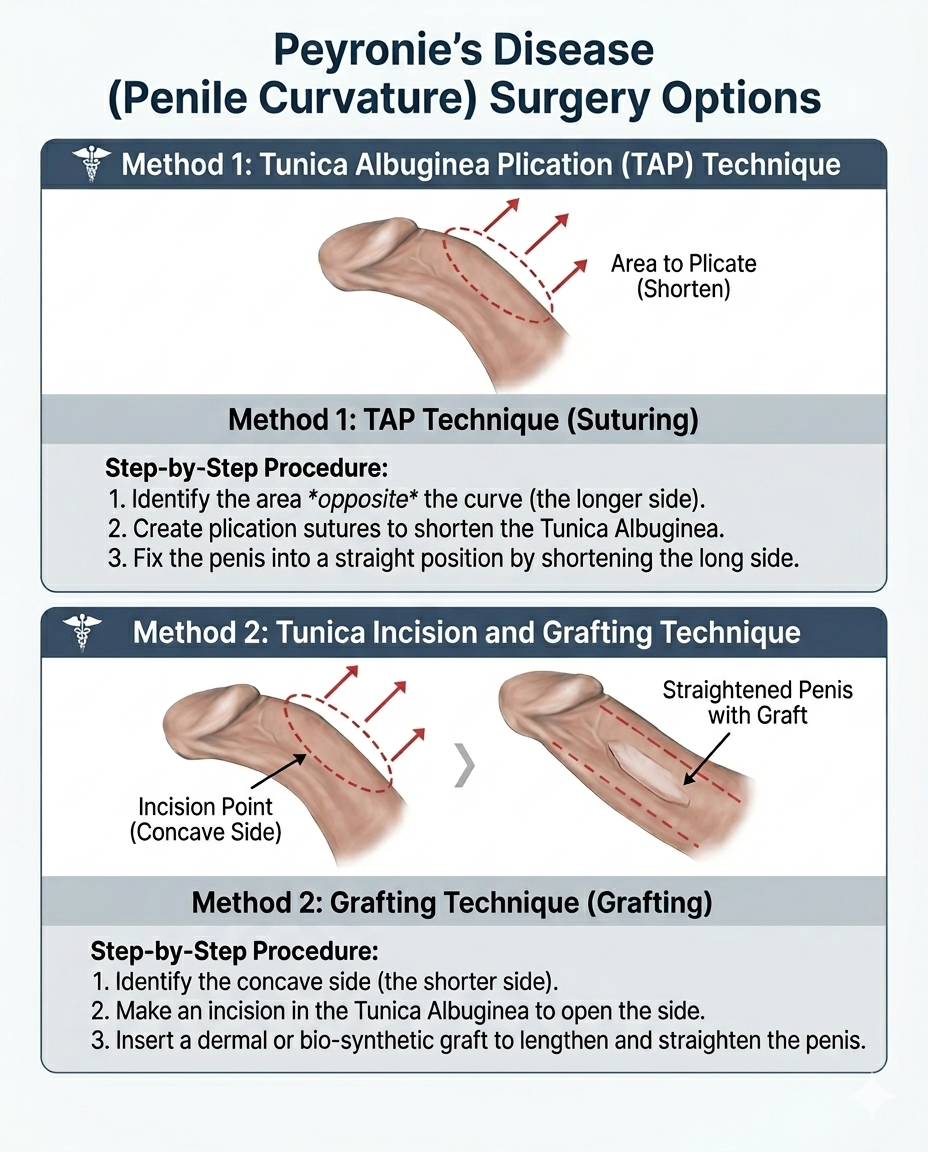
A correctable curve where straightening matters most. Plication shortens the longer side to even it out.
Severe curve or hourglass
A pronounced bend or narrowing where preserving length matters. Plaque incision with grafting addresses the short side.
Curvature assessment and correction — Urogyn Men's Clinic, Busan Seomyeon.
From assessment in Busan to a straighter result.
Treatment is matched to your phase — non-surgical while active, surgical once stable.
Ultrasound assessment
Ultrasound grades the curve, locates the plaque and checks blood flow — confirming the phase before any treatment is chosen.
Injections & PRP
While the curve is still changing, collagenase injections and PRP can soften the plaque and ease pain, delaying or avoiding surgery.
Plication surgery
For a stable, moderate curve, plication (Nesbit) shortens the longer side to even out the bend — a reliable, durable straightening.
Incision & grafting
For severe curves or narrowing, the plaque is incised and a graft placed to lengthen the short side, preserving length.
Discharge & aftercare
Most corrections are outpatient — home the same day with clear aftercare and a direct WhatsApp line.
Straighter and functional in Busan — with honest trade-offs.
The goal is a straight-enough, pain-free penis that works for intercourse. Plication is reliable but slightly shortens the longer side; grafting preserves length but is a bigger operation. Dr. Moon explains the trade-off for your specific curve rather than promising a perfect result.
If your curve is still active and changing, the honest advice is usually to treat non-surgically and wait for stability — operating too early risks recurrence. Sometimes patience is the right prescription.
Good candidate in Busan, or not.
Likely a good fit
- A stable curve that makes sex difficult or painful
- Pain and bend have settled for 3+ months
- You want a durable, surgical correction
- You want an honest read on what's achievable
Worth discussing first
- Curve still changing / painful → treat non-surgically first
- Curve plus weak erections → ED is assessed alongside, implant may straighten
- Very mild curve not affecting function → may not need surgery
- Unrealistic "perfectly straight" expectation → discussed honestly
What your Busan quote includes.
All-inclusive, direct-pay, KRW at our Busan clinic. Final route and quote confirmed after ultrasound assessment.
Penile curvature correction
Plication sits near the starting price; grafting and combined cases are quoted higher by complexity. Implant-based correction is priced with the implant.
Four points for a lasting straighten after surgery in Busan.
Recovery protects the repair so the correction holds.
Gentle days
Expect swelling and bruising that settle over the first week. Limit activity and wear supportive underwear.
Keep clean
Follow wound-care closely and avoid nicotine, which slows healing of the repair and any graft.
Pause intimacy
Abstain for the advised window so the repair heals fully without tension, then resume gradually.
Final result
The straightened result settles as swelling resolves. Dr. Moon confirms healing via WhatsApp photo updates.
Find out if your curve is ready to fix.
A free, discreet video consultation. Dr. Moon at our Busan clinic assesses your curve, explains whether it's active or stable, and gives a transparent quote. No commitment.
Discreet · replies within 24 hours · KST 9am–9pm
Your Busan visit, step by step.
From the first WhatsApp message to flying home from Busan — here's the path most international patients follow.
Free video consult
Send your symptoms and history over WhatsApp. The doctor reviews your case in English and explains likely options and cost.
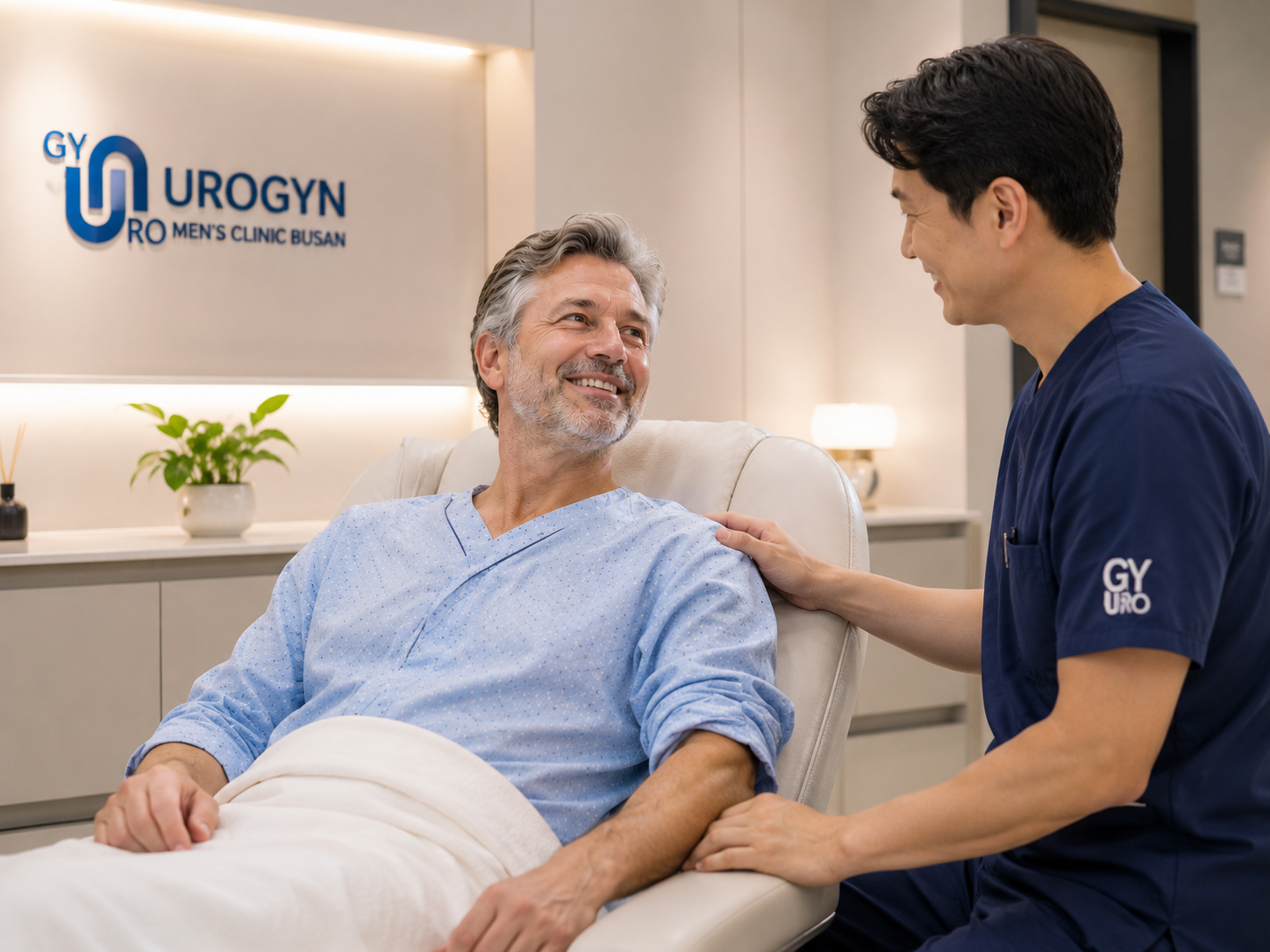
Diagnosis & testing
On-site tests confirm your condition and rule out other causes — so the plan fits your anatomy before anything is decided.
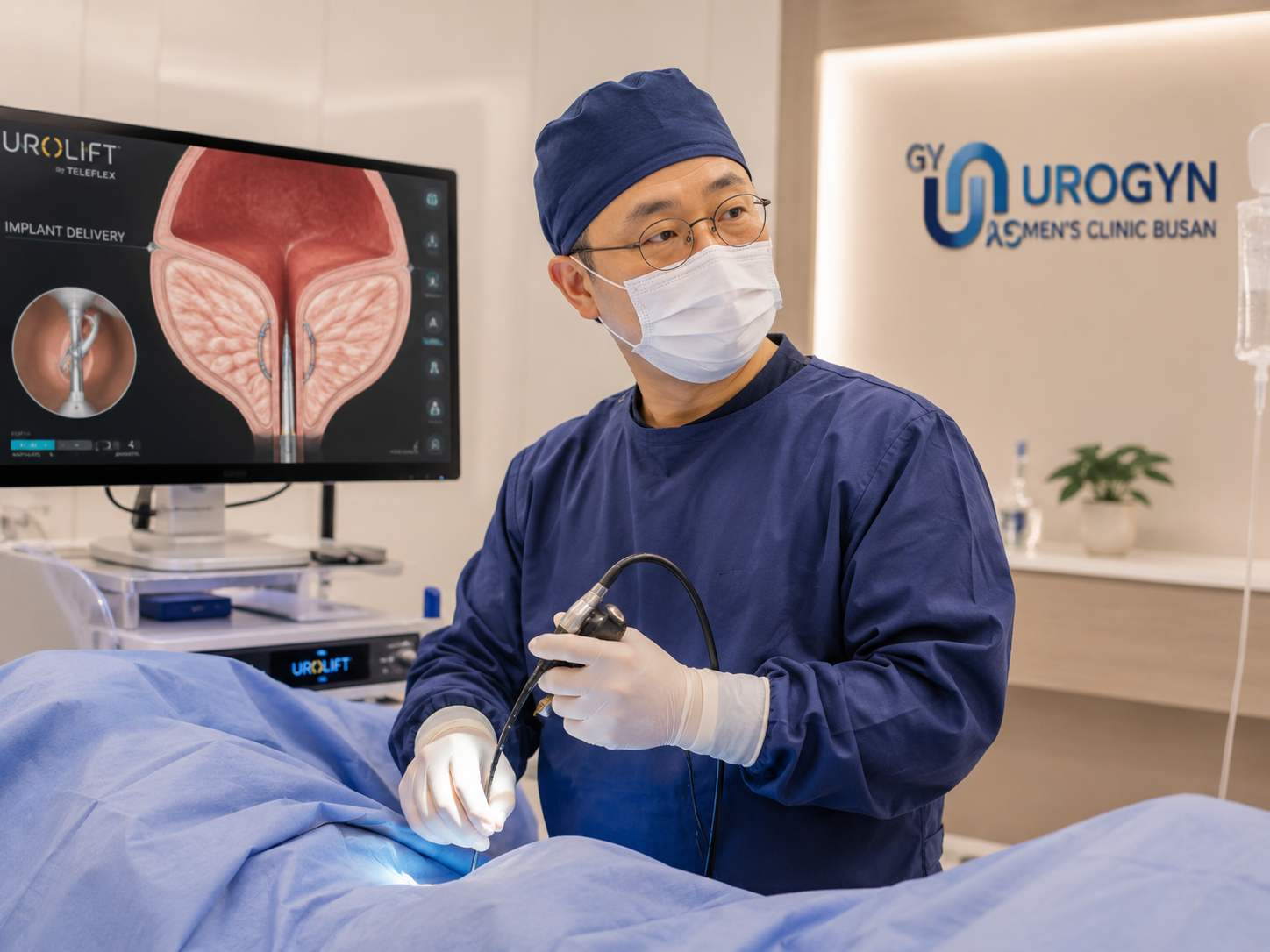
The procedure
Your procedure is performed by a board-certified urologist, with most minimally invasive treatments done the same day.
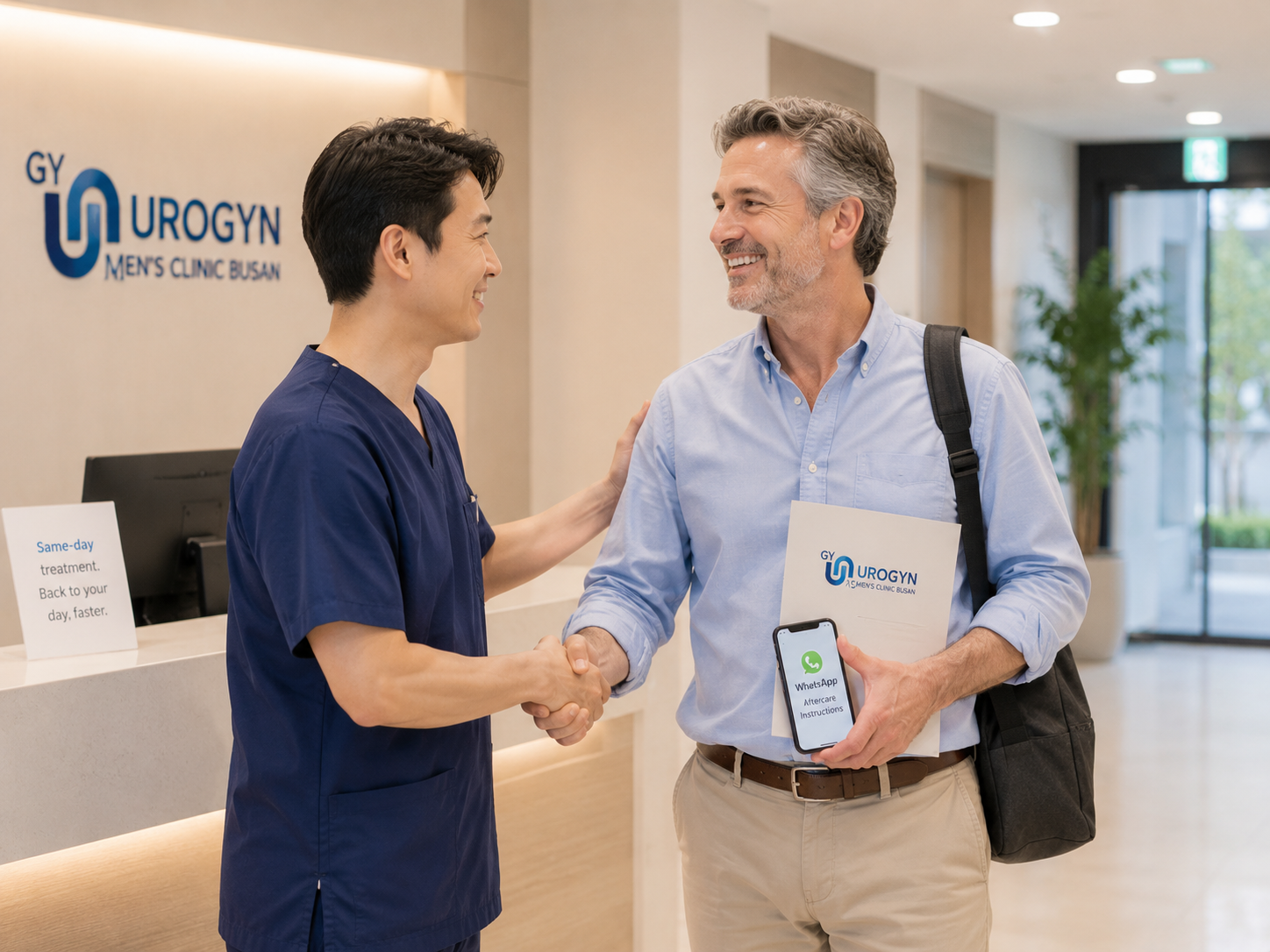
Recovery & aftercare
Fly home when cleared. Your doctor stays reachable on WhatsApp for 6 months of follow-up — photos, questions, guidance.
Your medical team in Busan Seomyeon.
Board-certified urologists in Busan Seomyeon — the doctor who consults with you is the same one who performs your procedure and follow-up.
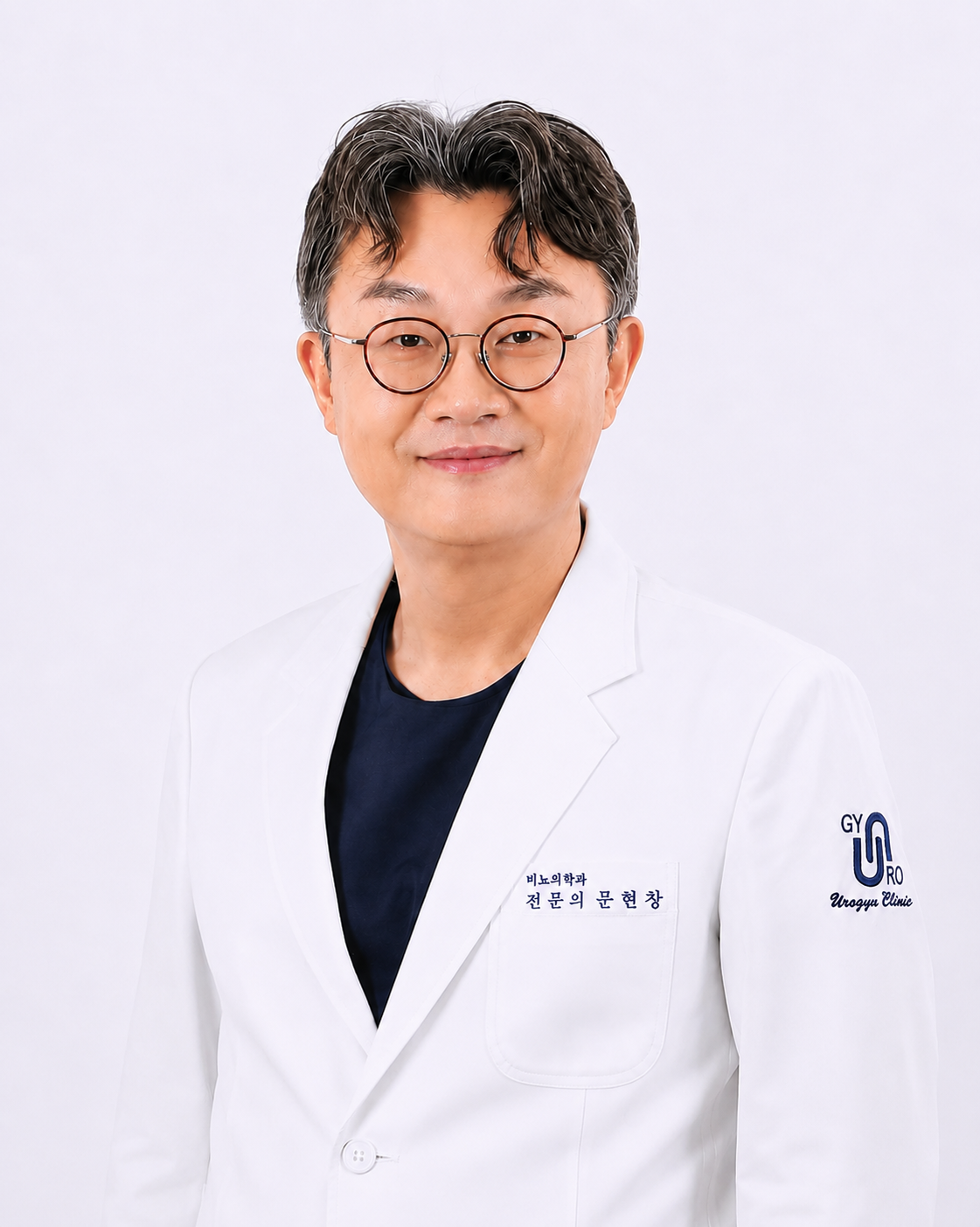
Dr. Moon Hyeon-chang
- Board-certified urologist, 15+ years
- AUA · EAU · WAS · KSSM member
- Direct English consultation
- Patients from 40+ countries
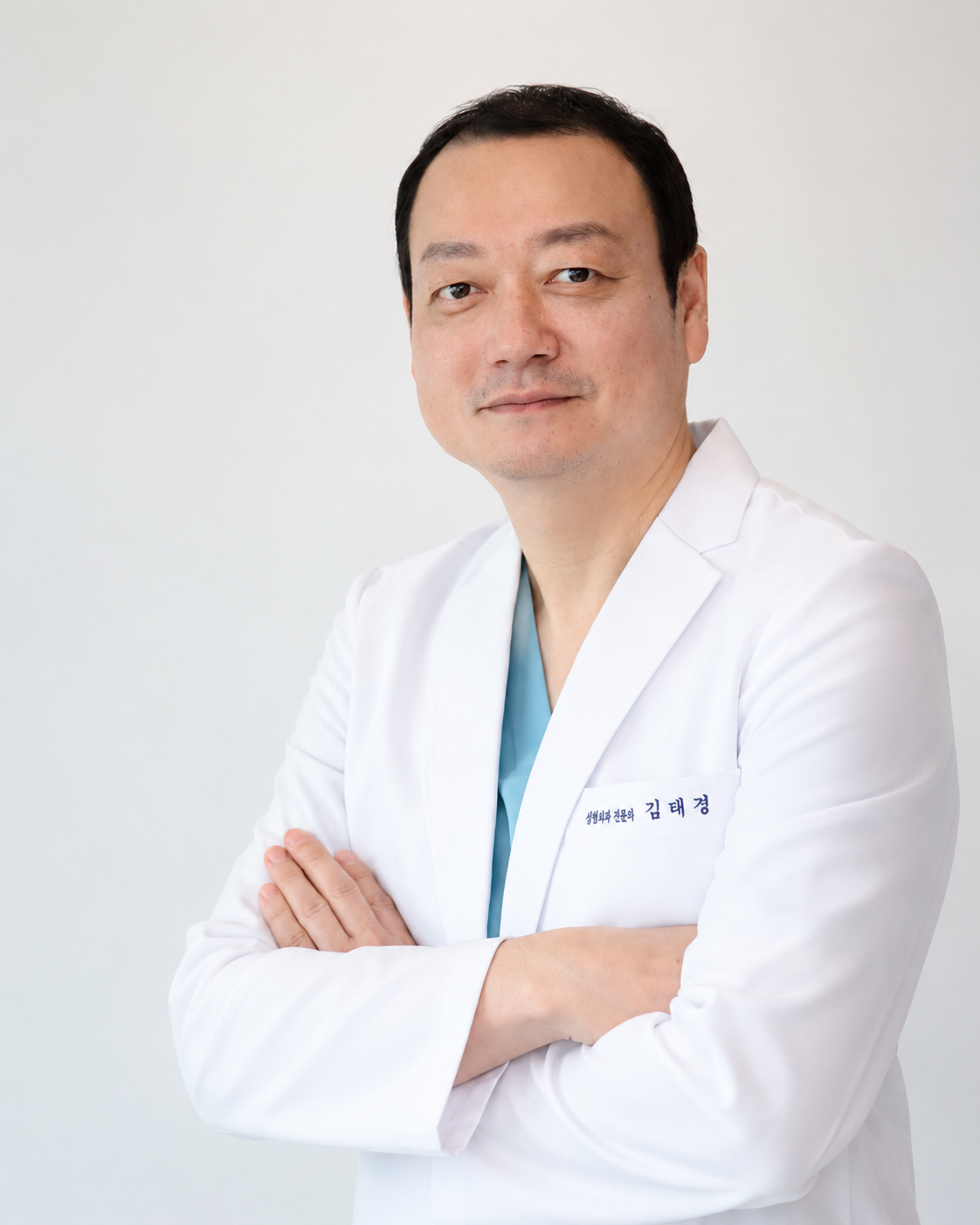
Dr. Kim Tae-kyung
- Board-certified urologist
- BPH focus — UroLift & Rezum
- MD & MS, Pusan National University
- Adjunct Prof, Ulsan Univ Hospital
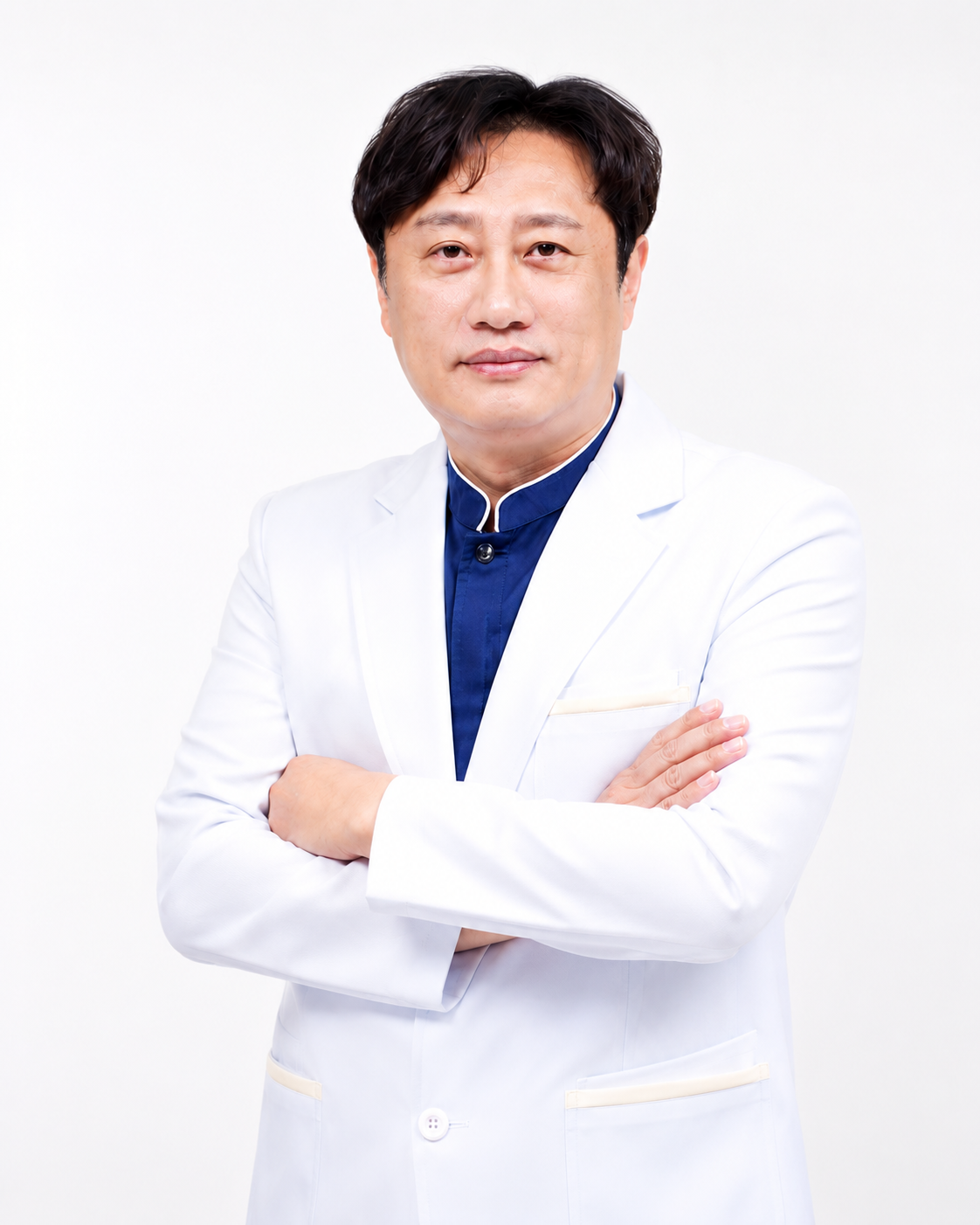
Dr. Kim Jin-seong
- Board-certified, Gyeongsang Nat'l Univ
- Korean Prostate Society member
- Adjunct Clinical Prof, GNU Hospital
- Men's health & prostate surgery
What our Busan urologists are asked about curvature.
How do I know which phase I am in?
Pain on erection and a curve that is still changing month to month indicate active disease; a curve that has been stable for six months or more without pain indicates the stable phase. Ultrasound at our Busan clinic supports the history by showing whether the plaque has calcified. Getting this wrong is the difference between a correction that holds and one that does not.
What is the difference between plication and grafting?
Plication shortens the longer side to match the shorter one — simpler, lower risk to erectile function, and it costs a little length. Grafting opens the plaque side and patches the defect — it preserves length better and suits severe curves and hourglass deformity, but carries more risk to erectile function. Your Busan urologist recommends one based on your curve, your length and your erectile status.
Will it be perfectly straight afterwards?
No, and any clinic promising that is overselling. The goal is functional straightening — intercourse comfortable for both partners — and a small residual curve is common and usually irrelevant. That expectation is set before surgery here rather than explained afterwards.
Can curvature be treated without surgery?
In the active phase, yes, and that is the correct treatment then — injections, PRP and supportive measures aimed at limiting plaque formation while the disease is still evolving. Non-surgical treatment does not straighten an established stable curve, and claiming otherwise would waste your money.
What if I also have erectile dysfunction?
That changes the plan materially. Where ED is significant and medication-resistant, an inflatable implant in Busan can correct the curvature and the erection in one operation rather than treating them separately. Assessing both together is why the ED pathway is part of this consultation.
About curvature correction in Busan.
Surgical correction is from ₩3,000,000 at our Busan Seomyeon clinic, with the route and final figure confirmed after ultrasound assessment. Non-surgical treatment for active-phase disease, including injections and PRP, is priced separately on the published list.
Because operating during active disease is the commonest mistake — the curve continues to change afterwards and the correction is undone. Our Busan urologists will tell a man with a recent painful bend to wait and treat medically first, even though the operation is the larger fee.
Pain on erection and a curve still changing month to month indicate active disease; a curve stable for six months or more without pain indicates the stable phase. Ultrasound at our Busan clinic supports the history by showing whether the plaque has calcified.
Plication shortens the longer side to match the shorter one — simpler, lower risk to erectile function, and it costs a little length. Grafting opens the plaque side and patches the defect, preserving length better for severe curves and hourglass deformity but carrying more risk to erectile function.
No, and any clinic promising that is overselling. The goal is functional straightening — intercourse comfortable for both partners — and a small residual curve is common and usually irrelevant. That expectation is set before surgery in Busan rather than explained afterwards.
In the active phase yes, and that is the correct treatment then — injections, PRP and supportive measures while the disease is still evolving. Non-surgical treatment does not straighten an established stable curve, and our Busan urologists say so rather than selling a course.
Every correction performed in Busan trades a small amount of length for the straightening, and plication trades more than grafting. Your Busan urologist measures and states the expected trade before surgery rather than after, so the choice between routes is yours with the numbers in front of you.
That changes the plan materially. Where ED is significant and medication-resistant, a penile implant can correct the curvature and the erection in one operation rather than treating them separately. Both are assessed at the same consultation in Busan.
Several nights for surgical correction, longer where grafting is involved. Non-surgical treatment needs no overnight stay. Your written plan states the figure for your route before you book flights.
Yes. A mild curve present all your life and causing no difficulty needs nothing at all, in Busan or anywhere, and our Busan urologists say so rather than finding a procedure for it. What warrants assessment is a curve that developed over months, is painful, or interferes with intercourse.
Four specific aftercare points given in writing, with swelling settling over weeks and the result judged at months rather than days. Sexual activity resumes on your urologist's confirmation, typically six weeks or more after surgery in Busan.
Expected: swelling, bruising and temporary altered sensation. Uncommon: recurrence of curvature, palpable suture knots after plication, worsened erectile function after grafting, and residual curve requiring revision. These differ by route and are set out before you choose.
Recurrence is possible, more so where surgery was performed elsewhere before the disease stabilised — which is the argument for the phase assessment. Stable-phase corrections in Busan hold well for most men.
Dr. Moon provides direct English consultation at our Busan Seomyeon clinic. He is internationally trained and comfortable discussing complex medical topics in English.
No. Urogyn publishes one self-pay price list in Korean won and applies it to every patient. Nationality, language and booking from abroad change no figure.
Yes. The board-certified urologist in Busan who grades your curve performs the correction and manages your follow-up through the months the result takes to settle. You are never passed to a junior doctor or a different surgeon.
Explore the other men's urology services in Busan.
Tap to jump to another men’s-urology page in Busan.
Before correcting a curve — guides from our Busan urologists.
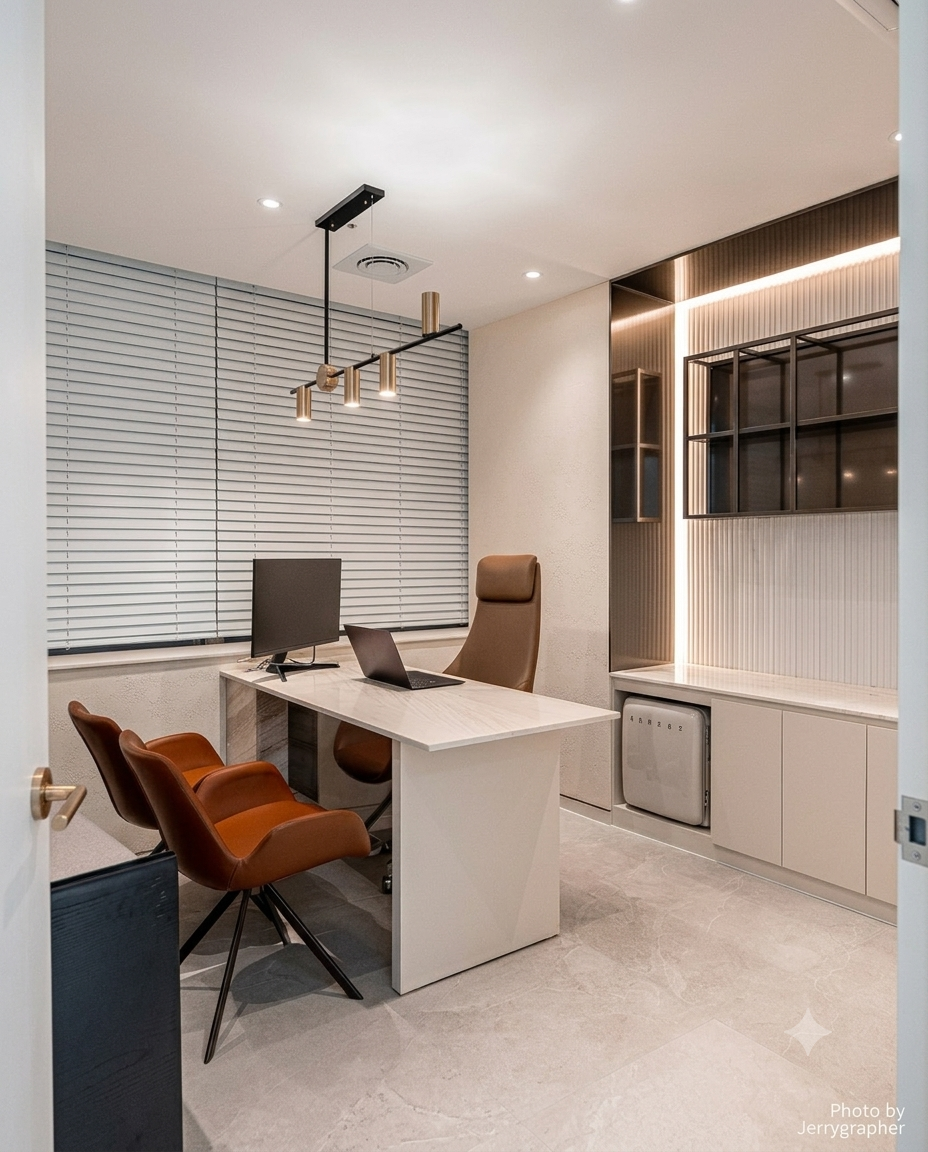
Curved Penis: When to See a Urologist
Normal curve or Peyronie disease — how the two are told apart.
Read the guide →
Inflatable vs Malleable Implant
When one operation can fix the curve and the erection together.
Read the guide →
ED Treatment Cost in Busan
What the combined implant route costs.
Read the guide →
ED in Your 30s
Why erectile status changes which correction is chosen.
Read the guide →
Flying After Urology Surgery
How many nights a correction needs before a flight from Busan.
Read the guide →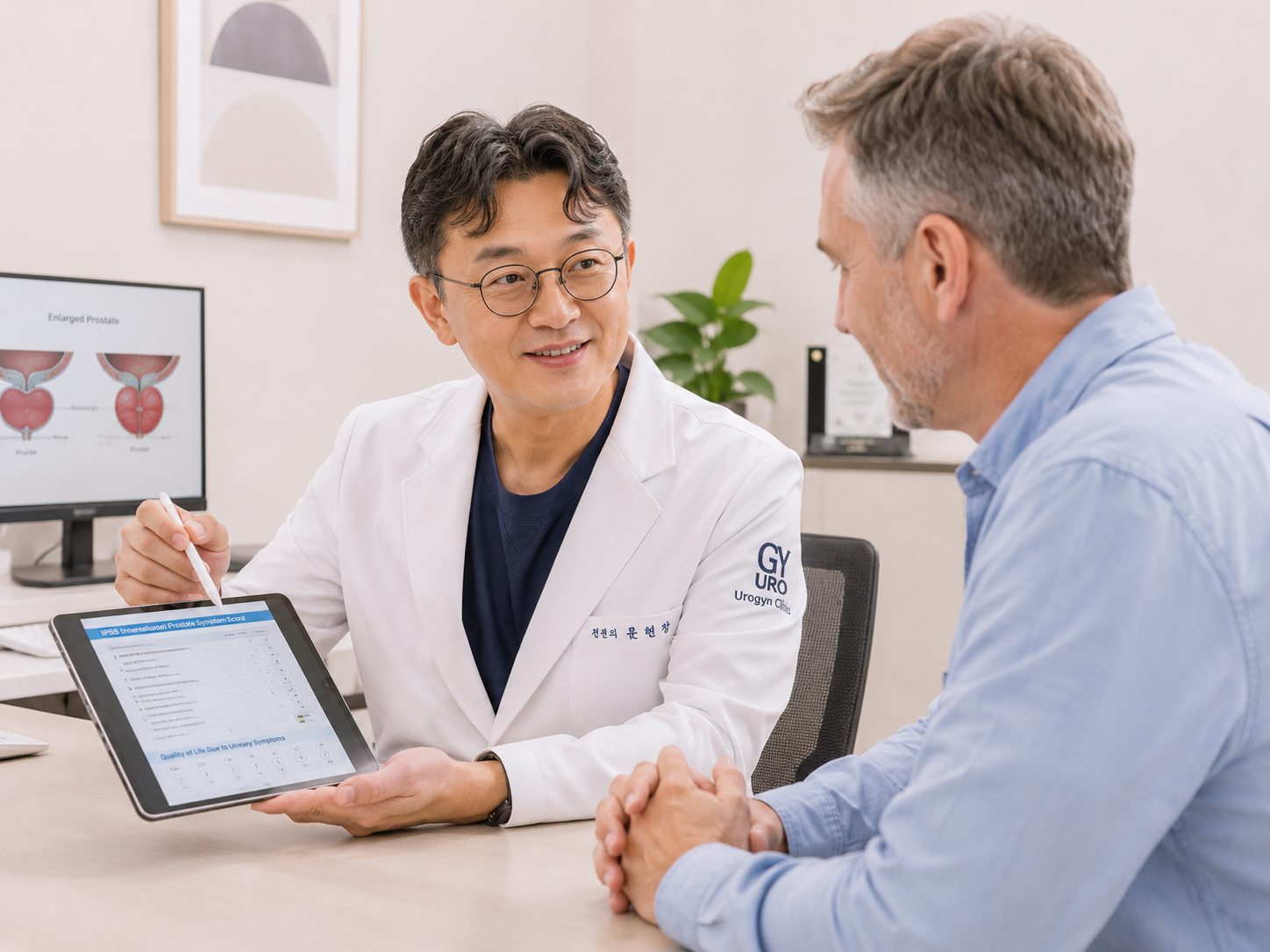
Book a Urologist in English
What photographs and history to send before travelling.
Read the guide →