Chronic pelvic pain in men: what your prostate may be saying.
Pain between the legs, at the base of the penis, in the testicles or low in the back — worse sitting, worse after sex, sometimes with burning — is one of the most misunderstood problems in men's urology, and one of the most over-treated with antibiotics. This guide explains the four types of prostatitis, the tests that separate infection from tension, and how our Busan Seomyeon clinic treats pain that keeps coming back.
Prostatitis Treatment in Busan
The clinical page behind this guide — diagnosis of chronic pelvic pain, prostate massage ₩100,000, urine and PSA testing, and the treatment ladder.
Read the prostatitis page →- Is this an infection I can clear with antibiotics?
- Why does it hurt more when I sit?
- Does chronic prostatitis affect fertility or erections?
- Will a prostate massage help or hurt?
- Can it be cured, or only managed?
Each is answered below, the way our urologists answer it in the consultation room.
What does chronic pelvic pain in men feel like — and mean?
Chronic pelvic pain in men is pain lasting three months or more in the perineum, the base of the penis, the testicles, the lower abdomen or the low back, often worse with sitting or after ejaculation, and sometimes accompanied by burning, urgency or a weak stream. In most men it is chronic prostatitis / chronic pelvic pain syndrome rather than a persistent infection. At Urogyn Men's Clinic in Busan Seomyeon it is assessed with a urine test ₩200,000, prostate examination and, where indicated, prostate massage ₩100,000 and PSA ₩150,000 — and treated according to which of the four types it is.
The single most useful thing to understand about this condition is that its name is misleading: “prostatitis” suggests an inflamed, infected prostate, and in the commonest type there is no infection at all. That misunderstanding is why so many men arrive at our Busan clinic on their third or fourth course of antibiotics with the pain unchanged. The prostatitis page covers treatment; this page decodes the condition.
The four types of prostatitis
- 1 Type I — acute bacterial prostatitis. Sudden fever, chills, severe pelvic pain, difficulty urinating. A genuine infection and a genuine emergency. Rare; treated urgently with antibiotics, sometimes in hospital.
- 2 Type II — chronic bacterial prostatitis. Recurrent urinary infections with the same organism, pelvic discomfort between episodes. Uncommon — a small minority of chronic cases. Confirmed by culture; treated with a prolonged, targeted antibiotic course.
- 3 Type III — chronic prostatitis / chronic pelvic pain syndrome. Pelvic pain for three months or more with no infection found. The large majority of chronic cases. Subdivided into inflammatory and non-inflammatory; treated without antibiotics once infection is excluded.
- 4 Type IV — asymptomatic inflammatory prostatitis. Inflammation found incidentally on tests done for another reason, with no symptoms. Usually needs no treatment.
Type III is the one this page is mostly about, because it is the one most men with chronic pelvic pain have, and the one most often mistreated. It behaves — as our urologists explain at the first visit — less like an infection and more like a pain syndrome involving pelvic floor muscle tension, nerve sensitisation and, in some men, an inflammatory component — which is why muscle relaxants, physiotherapy and nerve-directed treatment help where antibiotics did not.
Infection or tension? Why the test matters
The whole treatment plan turns on one question: is there an organism, or is there not? A man with Type II needs weeks of the right antibiotic and nothing else will fix him; a man with Type III gains nothing from antibiotics except side effects and a disrupted gut, and needs an entirely different approach. The distinction cannot be made from symptoms, which overlap almost completely. It is made from tests — urine before and after prostate massage, culture, and examination — and the urologists at our Busan clinic do not prescribe an antibiotic for chronic pain without them. The prostate care hub covers the tests; the next section states what they cost.
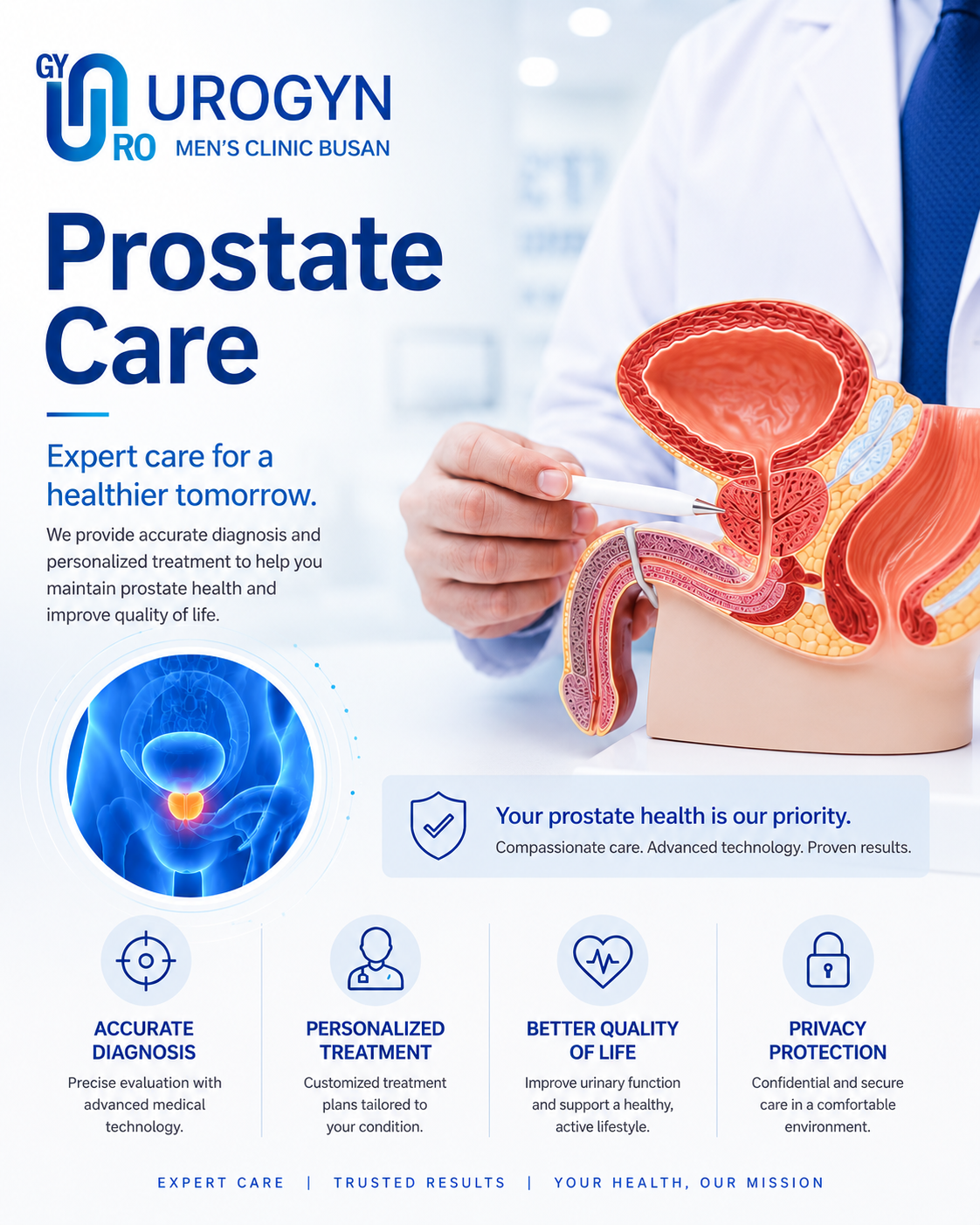
Prostate Care in Busan
Prostatitis sits within the prostate care hub alongside BPH and PSA screening — the page explains how the urologist tells the three apart.
Read the prostate hub →What are the tests at our Busan clinic, and what do they cost?
Analysis and culture. Excludes urinary infection and identifies an organism if one is present. Result during the visit for analysis; culture follows.
Expressed prostatic secretion examined for white cells and organisms — the test that separates inflammatory from non-inflammatory Type III and catches Type II.
Often raised during prostatitis; checked to establish a baseline and to be repeated after treatment so a persistently raised value is not missed.
Prostate, scrotum or bladder where the pain pattern or examination suggests another cause — a stone, a cyst, residual urine.
Not every man needs every test; the urologist orders what the history and examination point to, states the published price first, and explains the result in English. Men who have culture results from home should bring them — the what to bring guide explains why a prior culture, positive or negative, changes the plan.
Treatment in Busan: what works for which type?
- Type II (bacterial). A targeted antibiotic chosen from the culture, for weeks rather than days, because the prostate is hard for antibiotics to penetrate. Follow-up culture confirms clearance.
- Type III (pain syndrome). A combination, adjusted to the man: alpha-blockers to relax the bladder neck and reduce voiding symptoms; anti-inflammatories for the inflammatory subtype; pelvic floor relaxation and physiotherapy for the muscle-tension component, which is present in most; nerve-directed medication where pain has become sensitised; and, where the prostate itself is congested, periodic prostate massage at ₩100,000. Warm baths, avoiding prolonged sitting on hard surfaces, and managing stress are not folk remedies here — they address the mechanism.
- Type I (acute). Urgent antibiotics; not a chronic-pain conversation.
- Type IV. Usually nothing, once the PSA question is settled.
The antibiotic problem
Because “prostatitis” sounds like infection, and because a first course sometimes seems to help — often because the pain fluctuates on its own — men accumulate antibiotic courses for a condition that is not bacterial. Each course carries side effects, disrupts gut and genital flora — a point the clinic standard on honest treatment is built around — and postpones the treatment that would work. Our urologists in Busan prescribe antibiotics for chronic pelvic pain only when a culture or expressed secretion shows an organism, and say so at the first visit rather than after the fourth course. If a previous clinic has already given you several, you will not be given another without evidence.
Pain after sex and ejaculation
Pain during or after ejaculation is common in Type III and is one of the symptoms men find hardest to raise. It reflects the same pelvic floor and prostatic mechanism as the sitting pain, and it improves with the same treatment. Two things it is not: it is not a sign of an STD in a man with a negative panel — though an STD panel at ₩250,000 is a reasonable exclusion in a man with a new partner — and it is not a reason to avoid sex, which for many men eases pelvic tension rather than worsening it once the acute phase has settled. Erectile function is not damaged by chronic prostatitis, though pain and anxiety can suppress it; the ED hub explains how the two are separated.
What honest treatment looks like
Three honest points. Type III is managed rather than cured in the sense that a fracture is cured: most men improve substantially, many become symptom-free for long periods, and some have recurrences that respond to the same measures. The improvement is measured in weeks to months, not days. And no single tablet does it; the men who do best are the ones who take the muscle and nerve components as seriously as the prostate. The urologist at our Busan clinic says all of this at the first visit, prices each step from the published list, and follows up by message through the months it takes.
How it runs at our Busan Seomyeon clinic — and your next step
Message us with your travel dates, how long the pain has lasted, where it is worst and what makes it worse, whether you have had fever or urinary infections, what antibiotics you have already taken and with what result, and any culture results from home. You will receive a reply in English with the tests the urologist expects, each with its published price, and an honest provisional view of which type you are likely to have. On the day, the same doctor examines, tests, explains and prescribes — and answers your messages through the months that follow. For the treatment detail, start with the prostatitis page; for every figure, the full price list.
- Can a prostate massage make it worse? In Type III it occasionally increases discomfort for a day; in Type I it is not done at all. The urologist decides from the examination, and it is never performed on an acutely tender, febrile prostate.
- Does chronic prostatitis affect fertility? Inflammation can reduce semen quality temporarily in some men, and it usually recovers with treatment. Men planning children can add a semen analysis at ₩150,000 to establish where things stand.
The urologists who perform your vasectomy.
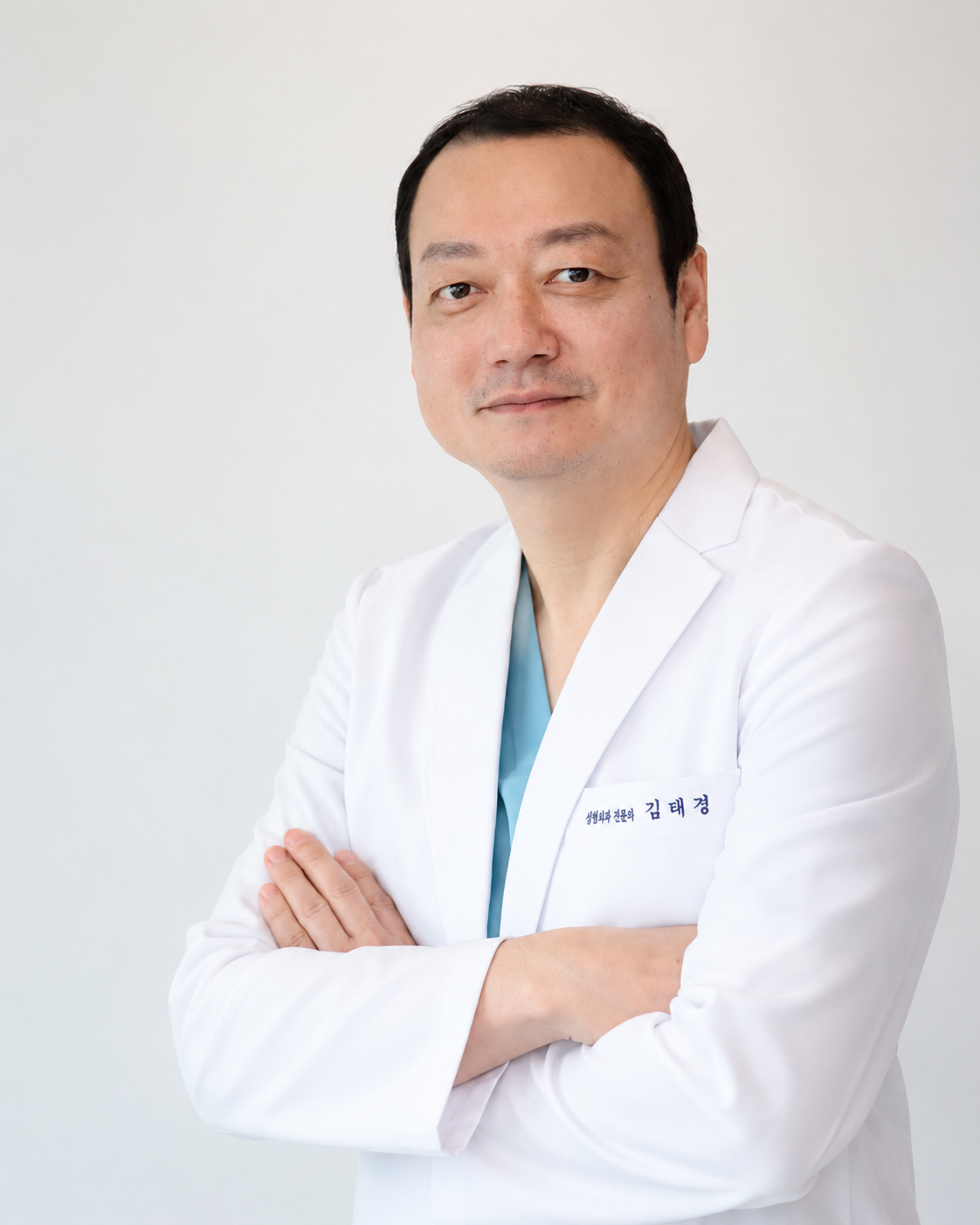
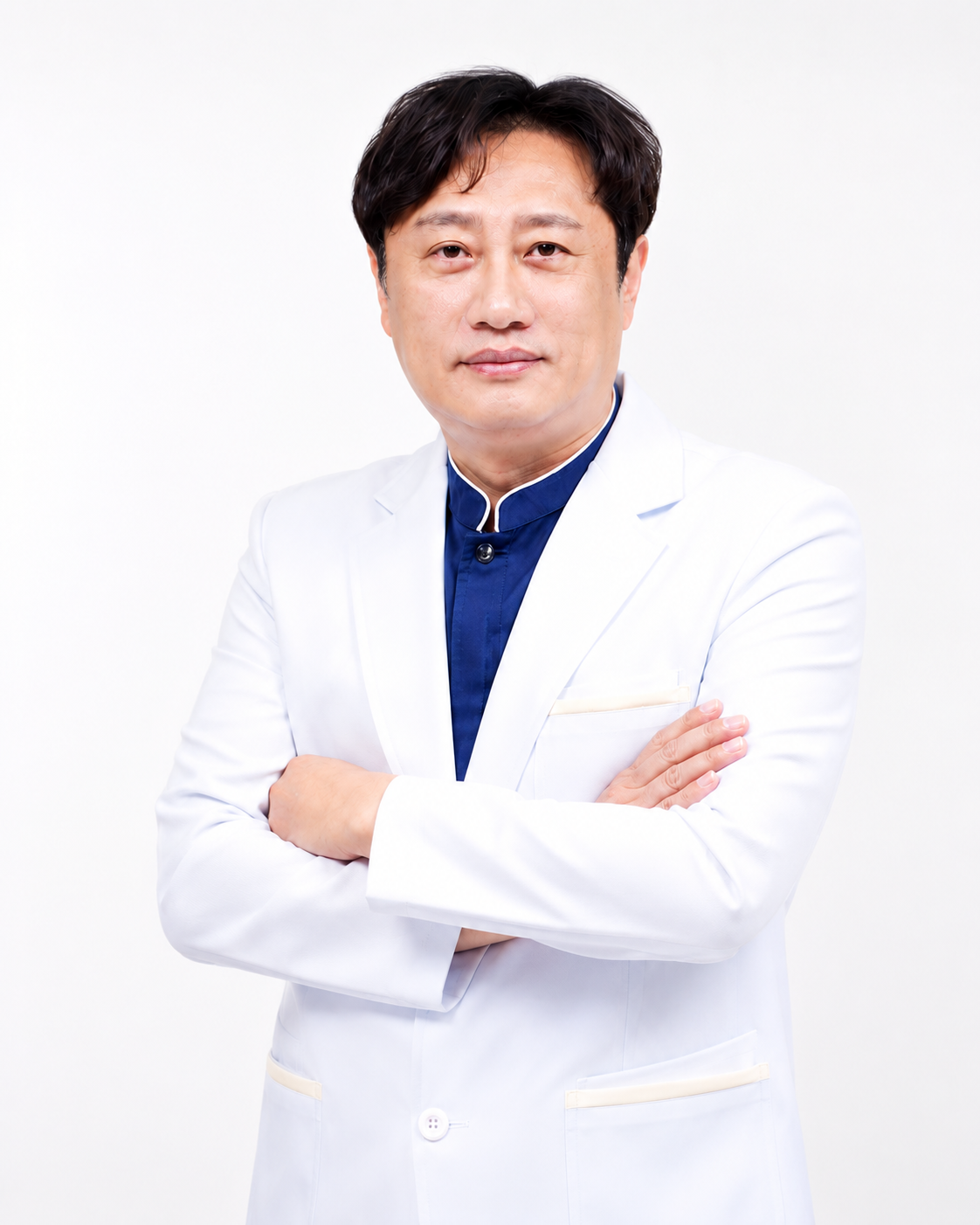
Every guide on this site is written and reviewed by the three board-certified urologists below. The doctor who consults with you is the doctor who operates and answers your follow-up — never a junior doctor or a different surgeon.
Chronic pelvic pain in men — FAQ
Related pages and next reads
Prostatitis Treatment in Busan
The treatment ladder for each type, with published prices.
Prostate Care in Busan
How the urologist tells prostatitis, BPH and PSA concerns apart.
Weak Stream & Nocturia
If the main symptom is a weak stream rather than pain.

STD Testing in Busan
A reasonable exclusion in a man with a new partner.
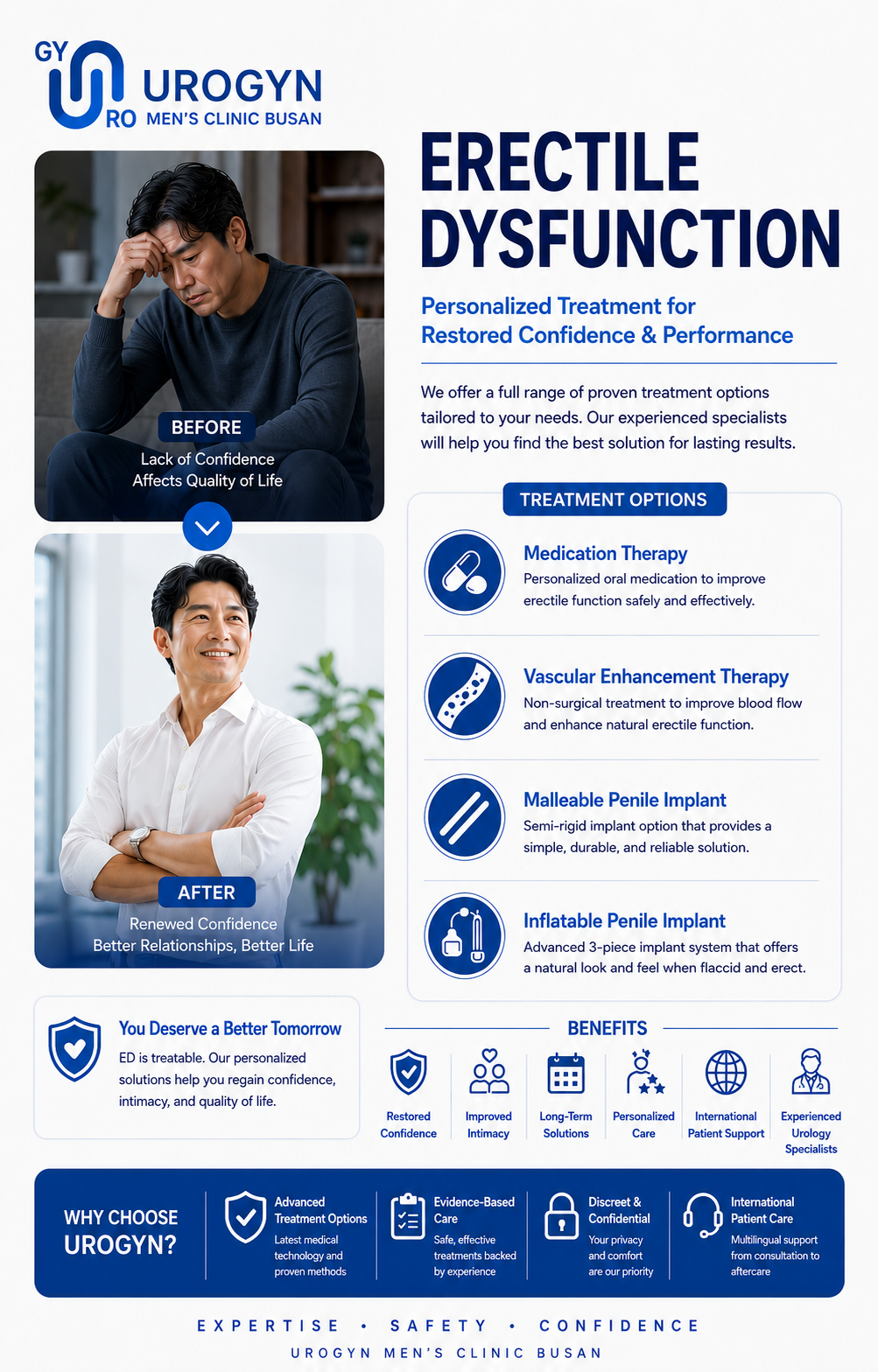
Erectile Dysfunction in Busan
When pain and anxiety suppress erections — separating the two.
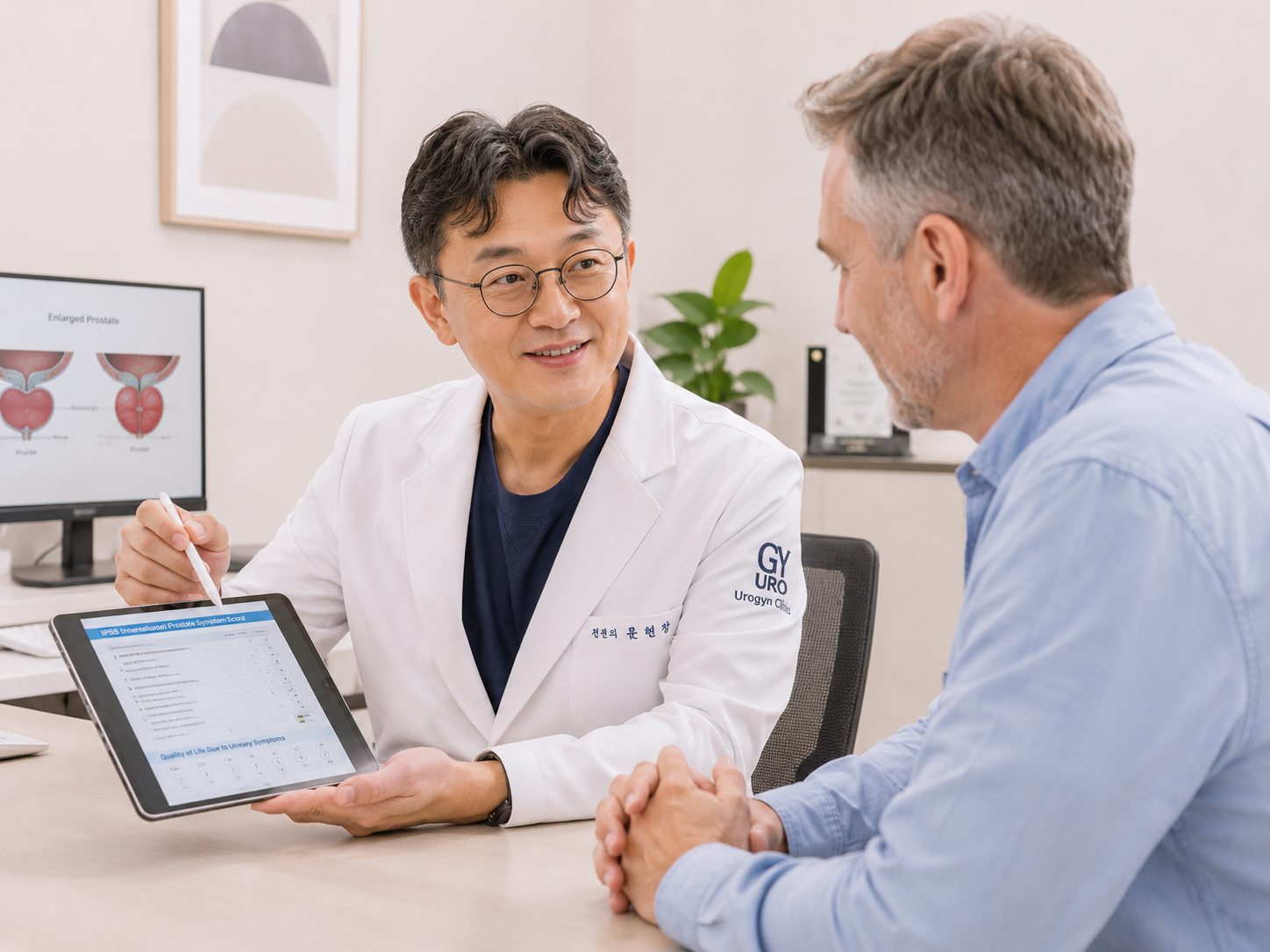
What to Bring
Prior culture results change the plan — bring them.
Urogyn Men's Clinic, Seomyeon
7F-702, Ion City Building, 74 Seomyeon-ro, Busanjin-gu, Busan 47299 — one minute on foot from Seomyeon Station Exit 7 (Lines 1 & 2).
Mon–Fri 10:00–18:00 · Sat 10:00–14:00 · Sun closed
부산광역시 부산진구 서면로 74 아이온시티빌딩 7층 702호 — show this to your taxi driver.
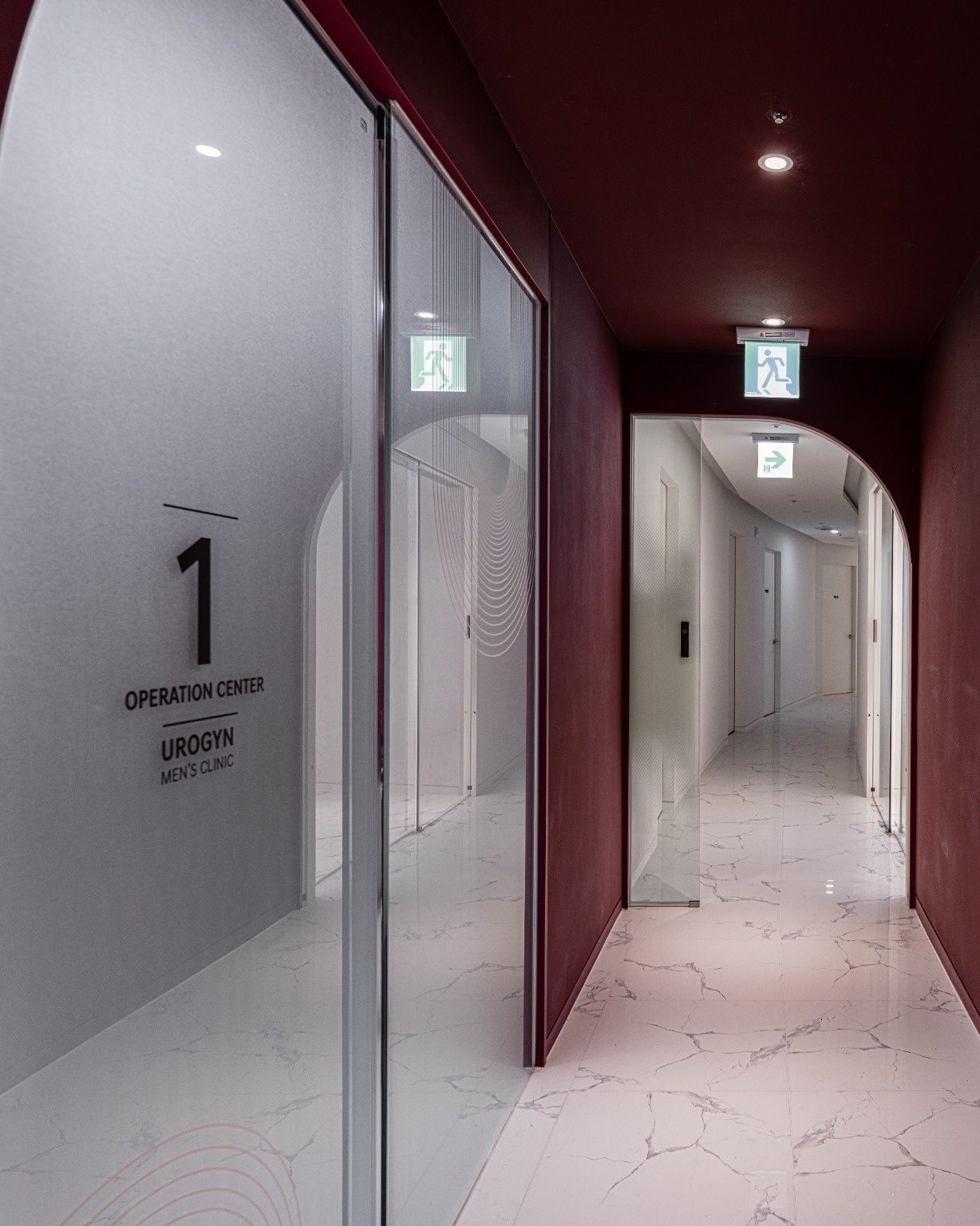
Bring the antibiotic history. Get the right test first.
Your dates, where and when it hurts, what antibiotics you have already taken and any culture results are enough for a written plan — the tests, their published prices and an honest provisional type — in English, from the urologist who would see you at our Busan Seomyeon clinic.