How to verify your penile filler is MFDS-approved.
Filler is the most requested and least regulated men's procedure worldwide, and the product in the syringe is the single thing a patient cannot see. Korea's regulator — the Ministry of Food and Drug Safety, MFDS — approves fillers as medical devices with a public record you can check. This guide explains what approval means, how to verify a product before it is injected, what to ask any clinic, and what our Busan Seomyeon clinic shows you before the first cc.
Girth Filler in Busan
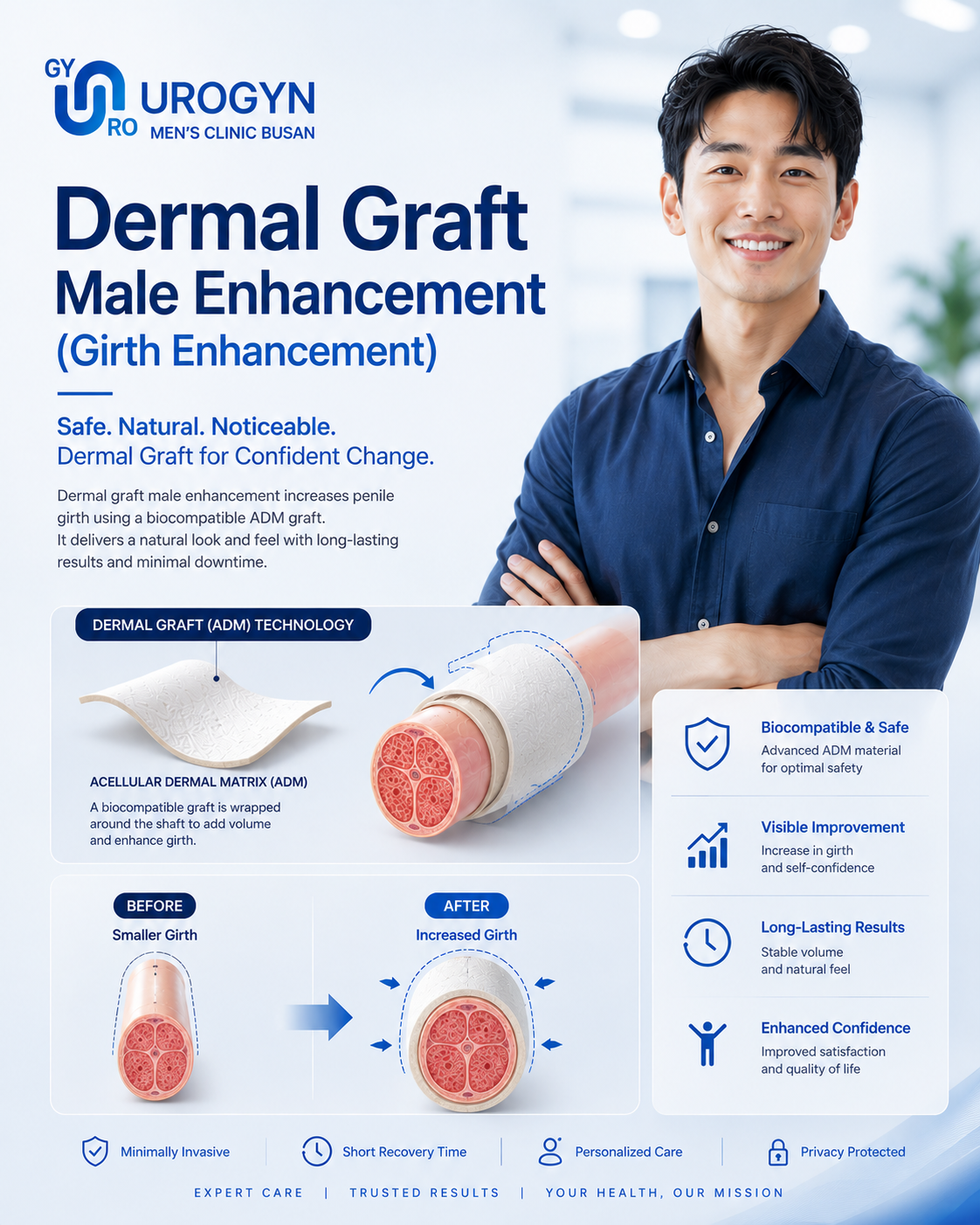
The clinical page behind this guide — MFDS-approved hyaluronic filler from ₩1,700,000 for 2–4cc, volume, placement and the reversal option.
Read the filler page →- What MFDS is, and why the name matters
- What approval means — and does not
- How to verify a product before injection
- The box, the label, the batch
- What to ask any clinic
- Unapproved product: the real risks
- What Urogyn shows you before the first cc
- If you already have filler from elsewhere
- How it runs here — and your next step
- What is the difference between MFDS and KFDA?
- Does approval mean the filler is approved for the penis specifically?
- Can I actually see the box before injection?
- How do I check a product name against the register?
- What if I was injected abroad with something I cannot identify?
Each is answered below, the way our urologists answer it before they open a syringe.
What is MFDS, and why does the name matter?
MFDS is Korea's Ministry of Food and Drug Safety — the national regulator that approves medicines, medical devices and, among them, dermal fillers. It is the current name of the agency formerly abbreviated KFDA; a clinic still using the old abbreviation is using a name that has not existed for years, which is a small signal about how current its materials are. Fillers approved by MFDS are listed in a public register by product name, manufacturer and approval number, and that register is what a patient can check. At Urogyn Men's Clinic in Busan Seomyeon every filler used is MFDS-approved and is shown to you, boxed and labelled, before injection.
The filler page covers the procedure and the comparison guide the alternatives; this page is about the product itself, and how to know what it is.
Ministry of Food and Drug Safety. Approves fillers as medical devices; maintains a public product register.
The abbreviation the agency used before its reorganisation. Not current. Materials that still say KFDA are out of date.
What approval means — and what it does not
MFDS approval of a filler means the product has been assessed for manufacturing quality, biocompatibility and safety data, and is legally marketable in Korea as a medical device for the indications on its approval. It does not mean the regulator has evaluated it for every use a doctor might make of it: most hyaluronic fillers are approved for facial soft-tissue augmentation, and their use in the penis is a physician's clinical decision — legal, widespread and supported by published experience, but off the label. That is true in Korea, the United States, Europe and everywhere else; there is no country where a mainstream hyaluronic filler carries a specific penile indication. What approval vouches for is the product: its composition, its purity, its manufacturing standard, its traceability. What the urologist vouches for is the use — and that is why who injects matters as much as what.
How to verify a product before injection
- 1 Ask for the product name and manufacturer in writing. Before you travel, in the reply to your message. A clinic confident in its product names it; one that says “premium filler” without a name is answering a different question.
- 2 Check the name against the MFDS register. MFDS publishes a searchable public register of approved medical devices, with product name, manufacturer and approval number. Search the product name; if it is not there, it is not approved for the Korean market.
- 3 Match the box to the name on the day. The box shown to you should carry the product name, the manufacturer, the MFDS approval marking and a batch or lot number with an expiry date.
- 4 Ask the volume. Filler is priced and planned by the cc. At Urogyn the urologist states the planned volume before injecting — 2–4cc flat at ₩1,700,000, or a 15cc base with a per-cc rate — and the box count matches.
None of this takes more than a few minutes, and a clinic that resists any step is telling you something. The what to bring guide suggests writing the product name in your notes so you can compare it with the box.
Penis Enlargement in Busan
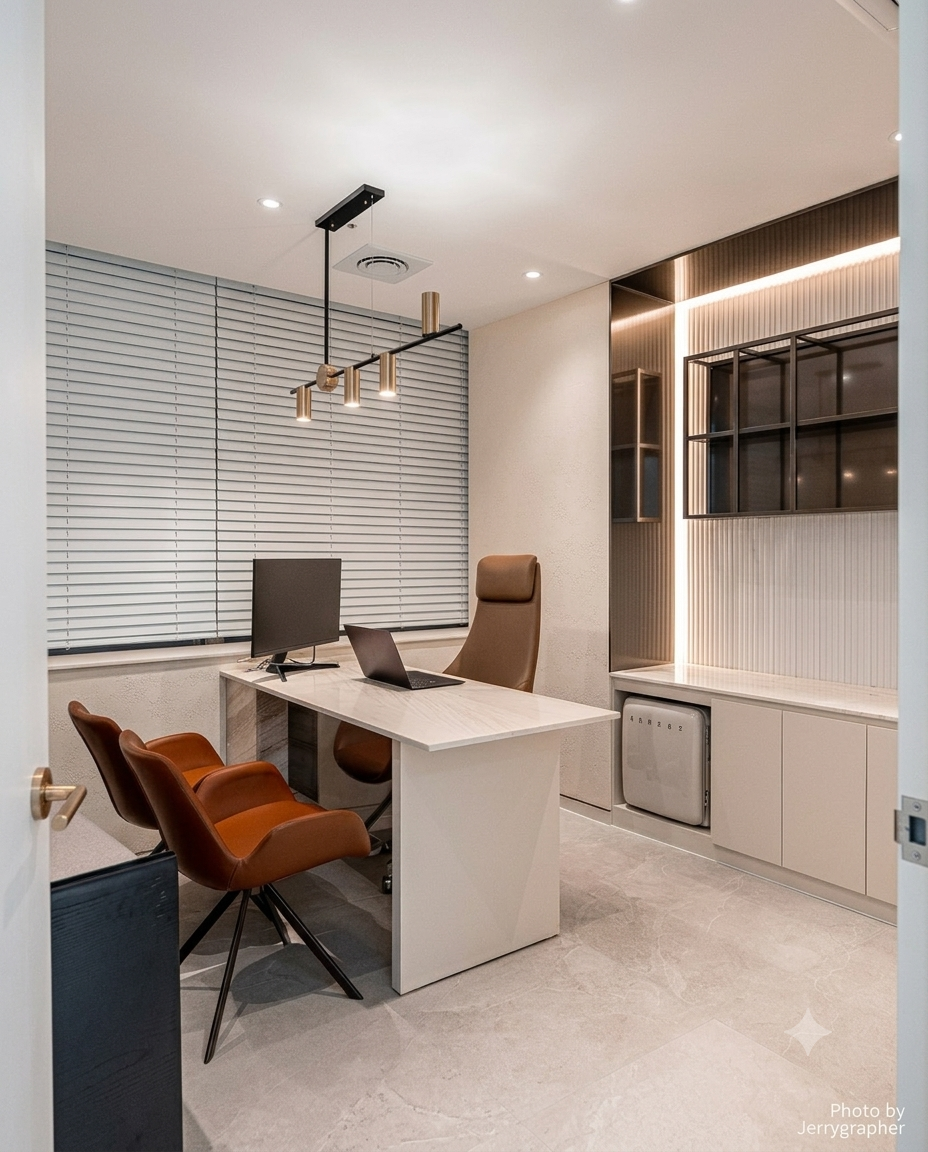
Filler, fat graft and dermal graft — where filler sits among the girth options, and why the product question applies to only one of them.
Read the enlargement hub →The box, the label, the batch — what you see at our Busan clinic
An approved filler arrives in sealed manufacturer packaging: an outer box with the product name, manufacturer, approval marking, volume per syringe, lot number and expiry; inside, a sterile blister containing a pre-filled syringe, itself labelled. The lot number is what makes the product traceable — to the manufacturer's batch records and, if ever needed, to a recall notice. A syringe that arrives unlabelled, decanted from a larger container, or without a box is a product you cannot verify, whatever you were told it is. Ask to see the box before the seal is broken, ask to keep the box or photograph the label, and note the lot number in your written plan. At our Busan clinic the box is shown, the label photographed on request, and the lot number recorded in your clinical record.
What to ask any clinic — here or anywhere
- “Which product, and which manufacturer?” In writing, before you book.
- “Is it on the MFDS register, and can you show me the approval?” Or the equivalent regulator's register in another country.
- “Will I see the sealed box before injection?” The answer should be yes without hesitation.
- “Who injects — a urologist, another doctor, or a non-physician?” The who performs guide explains why this matters as much as the product.
- “Can it be dissolved, and what does that cost?” Hyaluronic filler is reversible with hyaluronidase; other filler types are not. Reversibility is a safety feature. At Urogyn removal is a listed ₩1,500,000 item.
Unapproved product: the real risks
The dangers are specific, and worth naming without drama. Non-hyaluronic substances — silicone oil, paraffin, mineral oil, industrial-grade gels — injected into the penis cause granulomas, chronic inflammation, deformity and skin breakdown that can appear months or years later and require surgical removal; the foreign-body removal page exists because men arrive with exactly this history. Counterfeit or diverted hyaluronic product carries contamination and infection risk and an unknown composition. And even a genuine product, injected by an untrained hand, can be placed into a vessel — the vascular complication that the enlargement recovery guide lists as the one filler warning sign that needs same-day assessment. Approval and specialist injection together reduce all three; neither alone does.
What Urogyn in Busan shows you before the first cc
Product and manufacturer stated in writing before you travel, so you can check the register yourself.
Name, manufacturer, approval marking, lot number, expiry. Photograph it if you wish.
2–4cc at ₩1,700,000 flat, or a 15cc base with the per-cc rate stated. Megafil, where chosen, priced the same way. The box count matches the plan.
The same urologist who consulted with you and who answers afterwards.
The enlargement cost guide sets out every filler figure; the point of this page is that the figure buys a named, approved, traceable product placed by a specialist — and that you can verify each of those words yourself.
If you already have filler from elsewhere
Many men arrive at our Busan clinic with product from another clinic or another country and no clear idea what it is. If it is hyaluronic, it can be dissolved — filler removal is listed at ₩1,500,000 — before any new work. If it is not, or cannot be identified, the urologist assesses by examination and ultrasound and says honestly whether it can be removed, whether it should be, and what that involves; the foreign-body removal page covers the surgical route from ₩1,500,000 and the reconstruction page the cases where skin has been damaged. Bring whatever documentation you have — a receipt, a product name, a photograph of a box — and send photographs before you travel; the what to bring guide explains how they are handled.
How it runs at our Busan Seomyeon clinic — and your next step
Message us with your travel dates and the girth you are hoping for, and ask the five questions above; the reply names the product and manufacturer, confirms the MFDS approval, states the planned volume and price, and names the urologist who will inject. On the day, the sealed box is shown before it is opened, the lot number goes in your record, and the same urologist injects and answers afterwards. For the procedure, the filler page; for every figure, the full price list.
- Is a filler approved abroad — by the FDA or with a CE mark — automatically approved in Korea? No. Each regulator approves separately. A product approved by the FDA or CE-marked in Europe may or may not be on the MFDS register; the Korean register is the one that applies to a product used in Korea, and it is the one to check.
- Does approval expire? Approvals can be withdrawn or lapse, and products can be recalled. The lot number on the box is what links your syringe to any recall notice, which is why it is worth recording.
The urologists who perform your vasectomy.
Every guide on this site is written and reviewed by the three board-certified urologists below. The doctor who consults with you is the doctor who operates and answers your follow-up — never a junior doctor or a different surgeon.



MFDS-approved filler — FAQ
Related pages and next reads
Girth Filler in Busan
The procedure — volume, placement, reversal and the ₩1,700,000 flat price.
Penis Enlargement in Busan
Where filler sits among the girth options.
Who Performs Your Procedure
Why the injector matters as much as the product.
Foreign-Body Removal
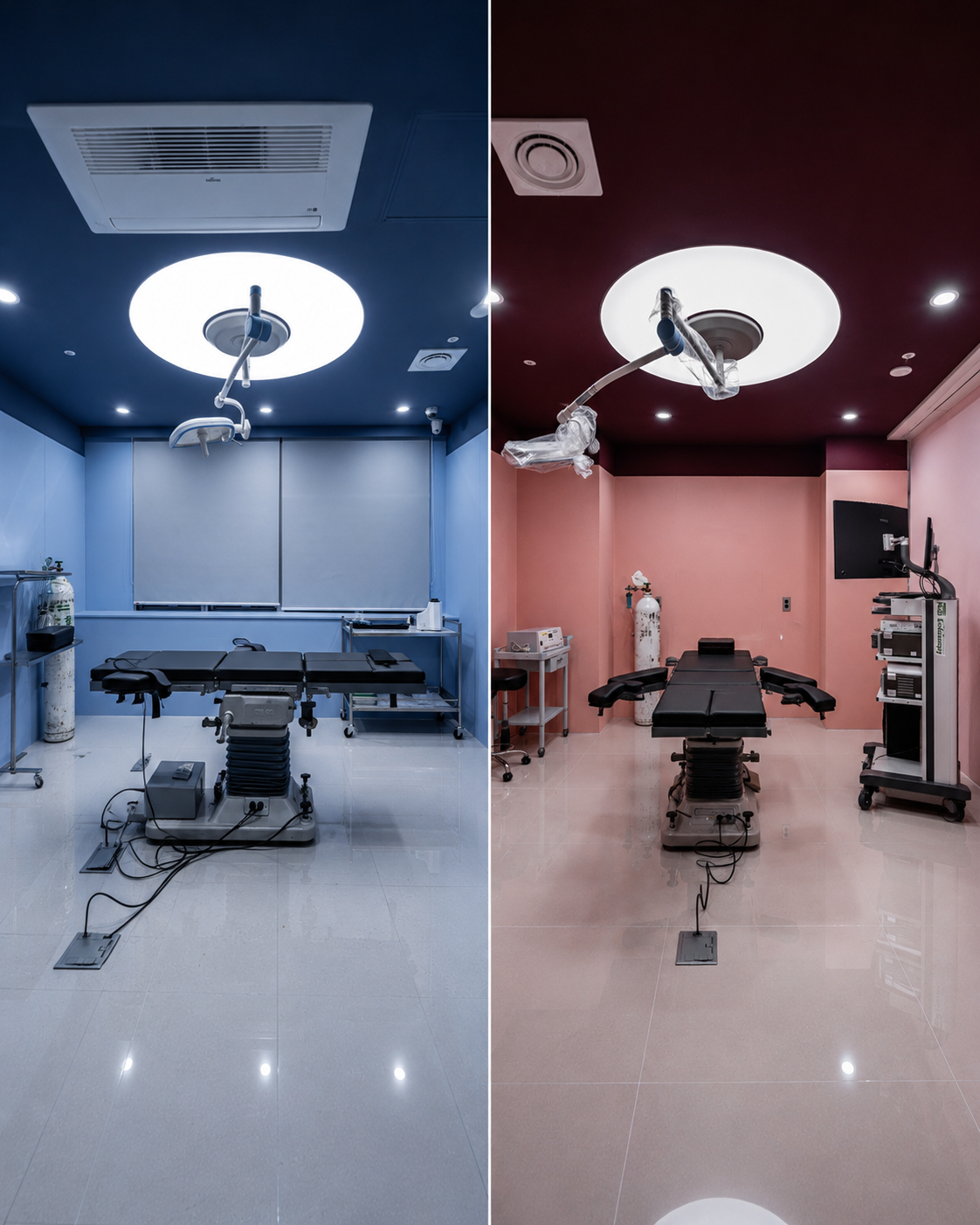
When an unapproved substance has to come out.

Enlargement Recovery
The one filler warning sign that needs same-day assessment.
Enlargement Cost Guide
Every filler figure, including removal.
Urogyn Men's Clinic, Seomyeon
7F-702, Ion City Building, 74 Seomyeon-ro, Busanjin-gu, Busan 47299 — one minute on foot from Seomyeon Station Exit 7 (Lines 1 & 2).
Mon–Fri 10:00–18:00 · Sat 10:00–14:00 · Sun closed
부산광역시 부산진구 서면로 74 아이온시티빌딩 7층 702호 — show this to your taxi driver.
Ask the product name first. Check it yourself. Then book.
Your dates and the girth you are hoping for, with the five questions from this page, return a written reply naming the MFDS-approved product and manufacturer, the planned volume and price, and the board-certified urologist who will inject at our Busan Seomyeon clinic.