
Medical confidentiality in Korea: what a clinic can and cannot share.
A foreign patient at a Korean men's clinic is protected by the same law as a Korean one, and that law is stricter than many visitors expect. This guide explains what the Medical Service Act and the Personal Information Protection Act require of a clinic, who can and cannot see your record, what you are entitled to request, and how our Busan Seomyeon clinic applies each rule — from the first message to the last receipt.
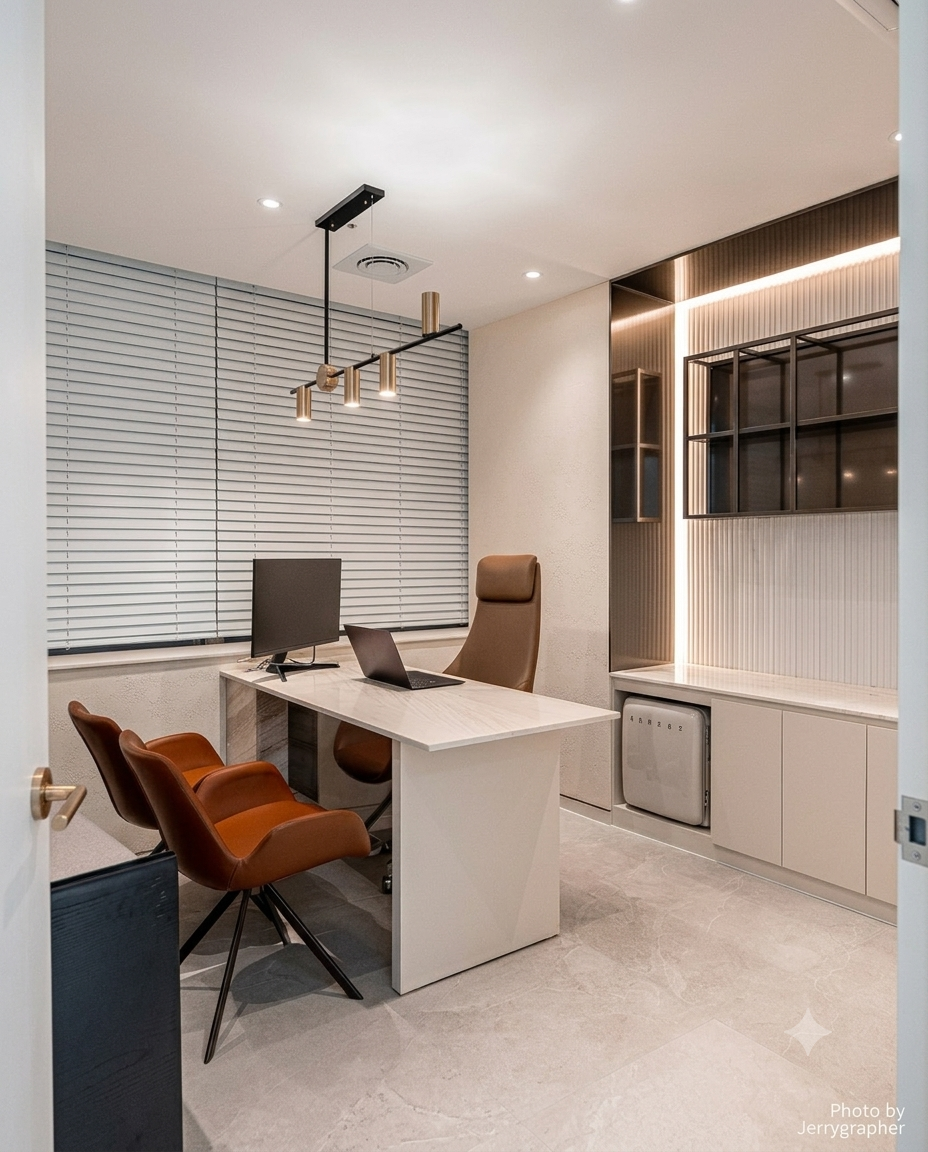
Privacy at the Clinic
The six points where a visit could become visible and what the clinic does at each — this page is the law behind that one.
Read the privacy guide →- The two laws that apply
- The duty of confidentiality
- Who can see your record
- What written consent means
- What you can request
- Public-health reporting: what it is and is not
- Foreign patients: the same protection
- How Urogyn applies each rule
- What the law does not cover
- How it runs here — and your next step
- Does Korean law protect foreigners' records the same as Koreans'?
- Can an insurer, employer or embassy get my record from the clinic?
- Are STD results reported to anyone?
- Can I get a copy of my own record?
- What happens if a clinic breaks confidentiality?
Each is answered below, with the law stated generally and the clinic's practice stated specifically.
Which laws protect a patient at a Korean men's clinic?
Two. The Medical Service Act places a duty of confidentiality on every medical institution and clinician in Korea — information learned in the course of care may not be disclosed to third parties without the patient's consent, with penalties for breach — and governs who may access medical records and how a patient requests copies. The Personal Information Protection Act governs how any organisation, clinics included, collects, stores and uses personal data, with health information classed as sensitive and subject to stricter rules. At Urogyn Men's Clinic in Busan Seomyeon both apply to every patient, Korean or foreign, and both are applied as written.
This page states the law in general terms — it is a clinic's explanation, not legal advice — and states the clinic's practice specifically. The privacy guide walks through the visit point by point; this page is what stands behind it.
Duty not to disclose; rules on who may access records; the patient's right to copies. Breach carries penalties for the clinician and the institution.
How personal data is collected, stored, used and deleted. Health data is sensitive information with stricter consent and security requirements.
The duty of confidentiality
The core rule is short: a doctor, nurse or clinic may not disclose what they learned about a patient in the course of care to anyone else, except where the patient consents or another law specifically requires it. It covers the fact of the visit, the reason, the findings, the treatment, the photographs, the results and the conversation. It applies to everyone at the clinic, not only the treating doctor, and it does not lapse when the visit ends or the patient leaves the country. In practice at our Busan clinic it means that the reason you came exists in one record, seen by the urologist treating you, and goes nowhere else unless you send it there.
Who can see your record?
- 1 You. Always. You are entitled to see and to copy your own record.
- 2 The clinician treating you, and the clinic's staff as needed for your care. The urologist; nursing staff assisting; the desk for booking and billing. All bound by the same duty.
- 3 A person you authorise in writing. A family member, a home doctor, an insurer — only on your written instruction, and only for what you authorise.
- 4 A person entitled by a specific law. Narrow, defined categories — a court order, certain public-health obligations — not an insurer, employer or embassy asking politely.
What is not on the list: insurers without your consent, employers, family members without your consent, other clinics, immigration authorities, embassies, and anyone who calls the desk and asks. The records guide explains what each document contains and how it is issued to you.

STD Testing in Busan
The visit that most often prompts a confidentiality question — how the 13-panel result reaches you and no one else.
Read the STD testing page →What written consent means
Disclosure to anyone outside your care requires your consent, and the clinic takes that as written consent naming the recipient and the scope — a message saying “please send my summary to Dr. X at this address” is enough; a general assumption is not. Consent is specific: authorising a summary to a home doctor does not authorise anything to an insurer, and authorising one document does not authorise the whole record. It is revocable: you can withdraw it. And it is yours to give, not the clinic's to infer — a family member who says they are acting for you is asked for your instruction, in your words. Urogyn issues every document to you, and you pass it on; the clinic does not send records to third parties on its own initiative, ever.
What you can request from a clinic in Busan
- A copy of your record — consultation notes, results, procedure details — on request, to you.
- Laboratory reports in their original form, for your own records or a doctor at home.
- A written summary in English of diagnosis, treatment and follow-up, signed by the urologist.
- An itemised receipt in the wording your insurer needs — the pricing guide explains what it must contain.
- A medical certificate for an employer or airline, stating only what you ask it to state.
- Correction of a factual error in your record, and information about how your data is stored and for how long.
Every one of these is issued only when you request it, and only to you. Nothing is printed or sent by default.
Public-health reporting: what it is and is not
Korea, like every country, requires clinics to notify public-health authorities of certain infectious diseases so that outbreaks can be tracked. For the infections a men's clinic tests for, the relevant notifications are made to the public-health system in a form designed for surveillance — not to an employer, an insurer, an embassy or immigration — and the information is used for public-health purposes under its own confidentiality rules. It is not a reason to avoid testing: an untreated infection is a greater risk to you and to others than a surveillance notification, and the STD symptoms guide explains why testing after an exposure matters regardless. Ask the urologist what applies to a specific result, and you will be told plainly.
Foreign patients: the same protection
Neither law distinguishes by nationality, visa status or residence. A tourist from Australia, a service member from the United States, an English teacher from Ireland and a businessman from Japan hold exactly the rights above at a Korean clinic, and the clinic holds exactly the same duties toward them. Immigration authorities are not among those entitled to a record; a visit to a men's clinic has no bearing on a visa. Foreign patients sometimes assume the protection is weaker because they are guests; it is not. The expats and military guide and the from Japan guide cover the practical questions each group asks.
How Urogyn in Busan applies each rule
The reason for your visit enters the record from your own words, read at the desk and passed to the urologist.
The urologist who consults, operates and follows up. Nursing staff assist under the same duty.
To the recipient and scope you name. Never to a third party on the clinic's initiative.
Summaries, receipts, certificates — issued to you, and you decide where they go.
The privacy guide adds the two points the law does not reach — your own phone, and your bank's card statement — and says honestly what the clinic can and cannot control about each.
What the law does not cover
Three honest limits. The law binds the clinic, not you: whom you tell, what you post, and what remains on your own phone and accounts are outside it. The law binds the clinic, not your bank: how a Korean merchant name appears on a foreign card statement is set by the card network, and the privacy guide explains how to check before paying. And the law does not make a visit invisible to someone who is physically with you. What it does is ensure that the clinic itself is not the source of any disclosure — and at Urogyn that assurance is kept as practice, not only as obligation.
How it runs at our Busan Seomyeon clinic — and your next step
If any question about confidentiality is behind your hesitation to book, put it in your first message — in your own words — and you will receive a plain answer in writing before you decide to come. On the day, your name at the desk, a closed room, one urologist, and every document issued to you alone. For the visit point by point, the privacy guide; for what each document contains, the records guide; for the standard behind both, the why choose us page.
- Can a Korean hospital I visit later see my Urogyn record? Not unless you provide it. Korean clinics and hospitals do not share records with each other automatically; a record moves only when the patient carries it or authorises its release in writing.
- How long is my record kept? Korean law sets minimum retention periods for medical records, and the clinic keeps them securely for that period under the Personal Information Protection Act's requirements for sensitive data. Ask the clinic for the specific period and how data is stored; you are entitled to know.
The urologists who perform your vasectomy.
Every guide on this site is written and reviewed by the three board-certified urologists below. The doctor who consults with you is the doctor who operates and answers your follow-up — never a junior doctor or a different surgeon.



Medical confidentiality in Korea — FAQ
Related pages and next reads
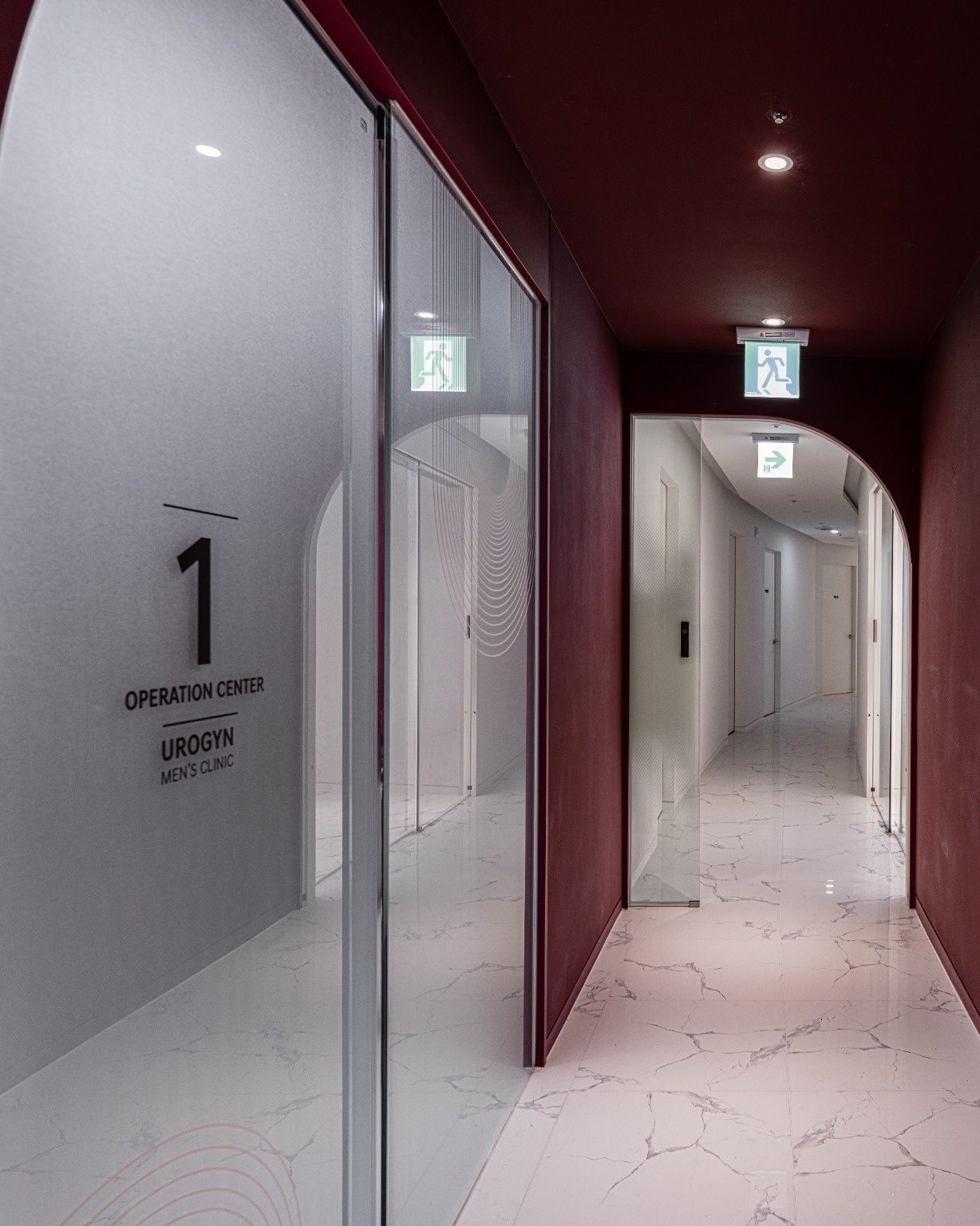
Privacy at the Clinic
The visit point by point — the practice this law stands behind.
Records & Prescriptions
What each document contains and who can see it.
STD Testing in Busan
Where the confidentiality question is asked most — and answered.
Expats & US Military in Busan
Independent of every base, company and hospital network.

Why Choose Urogyn
Strict privacy as one of four things the clinic is built around.
Who Performs Your Procedure
One urologist — one person who knows.
Urogyn Men's Clinic, Seomyeon
7F-702, Ion City Building, 74 Seomyeon-ro, Busanjin-gu, Busan 47299 — one minute on foot from Seomyeon Station Exit 7 (Lines 1 & 2).
Mon–Fri 10:00–18:00 · Sat 10:00–14:00 · Sun closed
부산광역시 부산진구 서면로 74 아이온시티빌딩 7층 702호 — show this to your taxi driver.
The law binds the clinic. The clinic keeps it as practice.
Put any confidentiality question in your first message, in your own words, and you will receive a plain answer in writing before you decide to come — from a clinic in Busan Seomyeon where every document is issued to you alone and no third party is contacted unasked.