Your records, receipts and prescriptions in Korea, explained.
What you leave with after a visit to our Busan Seomyeon clinic is paperwork you can actually use: a written plan in English, an itemised receipt in the wording an insurer needs, laboratory results explained by the urologist, and — where medication is prescribed — a Korean prescription and a clear account of how refills work once you have flown home. This guide walks through each, and what it is for.
International Patients Guide
How a visit to Busan is planned end to end — and what follows you home in writing once it is over.
Read the visit guide →- Will I get a document my insurer will accept?
- How do prescriptions work in Korea — do I collect medication at the clinic?
- Can I get refills once I am back home?
- Will my results be in English?
- Can my doctor at home see my Korean records?
Each is answered below, from what the clinic actually issues rather than a general guide to Korean healthcare.
What do you leave a Busan urology visit with?
After a visit to Urogyn Men's Clinic in Busan Seomyeon you hold, or receive by message that evening, four things: a written plan in English stating what was found, what was recommended and the published price of each item; an itemised receipt on request, in the wording your insurer needs; laboratory results as they return, explained by the same urologist; and, where medication was prescribed, a Korean prescription for a pharmacy plus a written account of how refills work from abroad. Nothing requires translation, and nothing is issued to anyone but you.
Each of the four is issued only when it is wanted — a receipt is not printed unless you ask — because for many men the paperwork is the part of a visit they least want to exist. The why choose us page describes that standard; this page describes the documents themselves.
The written plan
The plan is the message you receive from the clinic after the visit: the urologist's findings in plain English, the recommendation and its reasoning, and the published price of each item from the price list. If a procedure was done, it includes the aftercare instructions you were given in the room, so nothing depends on memory. If a procedure is proposed for a later day, it includes the conditions — medication to stop, results to wait for — and the date. It is the document to read again at your hotel, to show a partner, and to reply to with questions; the first visit guide describes where in the visit it is composed.
Itemised receipts and insurance
Korean clinics issue itemised receipts for self-pay services, and Urogyn issues one on request in the wording an insurer needs: the clinic's name and registration details, the date, each service by name, and the fee for each in Korean won. Whether a home insurer reimburses is a question for the insurer — elective men's urology (enlargement, circumcision for preference, vasectomy for contraception) is rarely covered, while diagnostic items with a medical indication (a PSA, an STD panel, an ultrasound for symptoms) are more often claimable. Ask your insurer before you travel what wording it needs; the clinic will match it. The foreigner pricing guide explains how self-pay fees work.
Not printed automatically. Ask at the desk or by message afterwards.
Service names, dates, fees in KRW, clinic registration. Tell the clinic what your insurer requires.
No translation needed for a home insurer or a home doctor.
Never sent to an insurer, employer or anyone else by the clinic.
ED Medication in Busan
Tablets and Trimix are prescribed from the ₩400,000 first visit — and the page explains how a prescription written in Busan works once you are home.
Read the medication page →Laboratory results and how they reach you
Some results are available during the visit — ultrasound, urine dipstick — and are explained in the room. Laboratory results — blood, semen, the STD panel — return over hours to days and reach you by message from the same urologist, with an explanation in English rather than a bare number: what the value means, whether it changes the plan, and what, if anything, to do. The laboratory report itself is available on request for your own records or for a doctor at home, and the what to bring guide explains which results are worth keeping for a future visit.
Prescriptions: how they work in Korea and Busan
In Korea, most medication is dispensed by pharmacies, not clinics. If the urologist prescribes tablets — ED medication, an antibiotic, pain relief after a procedure — you receive a prescription and fill it at a pharmacy; there are several within a short walk of Seomyeon Station, and the desk will point you to the nearest. Pharmacy prices are the pharmacy's own, not the clinic's, and are typically modest for the drugs involved. What is given in the clinic rather than at a pharmacy is anything administered there: Trimix with its pen at the first ED visit, testosterone injections — Nebido ₩500,000 per dose, Jenasteron ₩100,000 per dose — and vaccines such as Gardasil 9 at ₩300,000 per dose.
- 1 Prescribed in the room. The urologist explains the drug, the dose and the duration, and it appears in your written plan.
- 2 Filled at a pharmacy. Near Seomyeon Station, at pharmacy prices. Bring the prescription; the pharmacist labels the medication in Korean and, usually, English.
- 3 Administered in clinic. Injections and vaccines are given by the urologist during the visit and listed on the price list.
Refills after you fly home
A Korean prescription is filled in Korea; it is not generally accepted by pharmacies abroad. What the clinic does instead is give you what a home doctor needs to continue the treatment: the written plan naming the drug, dose and duration, and — for ongoing medication such as ED tablets or testosterone — a summary a home prescriber can act on. For men returning to Korea, a follow-up visit for re-prescription only is listed from ₩50,000, and residents commonly renew this way. Ask in your message how refills would work for your medication and your country; the urologist will say what is realistic before you travel rather than after.
Certificates and summaries for other doctors
If a doctor at home needs to know what was done — to continue care, to activate an implant, to interpret a result — the clinic issues a summary in English on request: the diagnosis, the procedure or treatment, the date, the findings and the follow-up plan, signed by the urologist. A medical certificate for an employer or an airline stating fitness to travel or a period of rest is issued in the same way, stating only what you ask it to state. Neither is issued unless you request it, and neither is sent to anyone but you.
Who can see any of it?
You, and the urologist treating you. Korean medical law binds the clinic to confidentiality: records are not disclosed to third parties — insurers, employers, family, other clinics — without your written consent. Receipts, summaries and certificates are issued to you and only to you; what you do with them is your choice. Photographs sent before a visit are viewed by the urologist only. The privacy guide sets out how the clinic handles all of this in practice, from the first message to the last receipt.
How it runs at our Busan Seomyeon clinic — and your next step
Tell the clinic in your message what paperwork you will need — a receipt in your insurer's wording, a summary for a home doctor, a certificate for an employer — and it is prepared as part of the visit rather than chased afterwards. On the day, the urologist explains everything in the room; that evening the written plan arrives by message; results follow as they return. For what to send before you travel, see the what to bring guide; for booking, the booking guide; for every figure, the full price list.
- Can I get a receipt that does not name the procedure? A receipt for an insurer must name the service. For your own records, ask the clinic what wording is possible before you pay; the answer is given in writing.
- I lost my receipt or summary — can it be reissued? Yes. Message the clinic with your visit date and what you need, and it is reissued to you. Nothing is reissued to anyone else.
The urologists who perform your vasectomy.
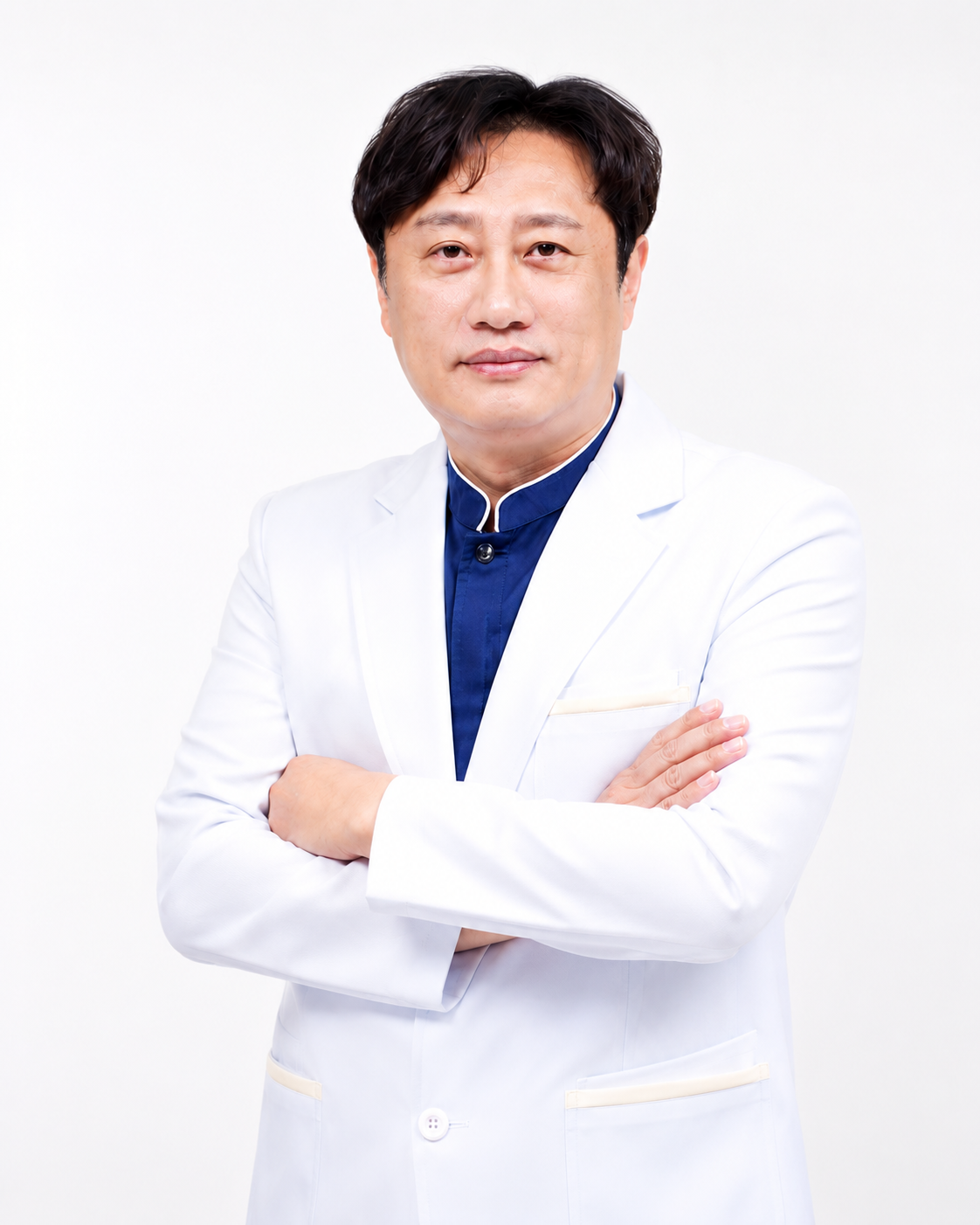
Every guide on this site is written and reviewed by the three board-certified urologists below. The doctor who consults with you is the doctor who operates and answers your follow-up — never a junior doctor or a different surgeon.
Records, receipts & prescriptions — FAQ
Related pages and next reads
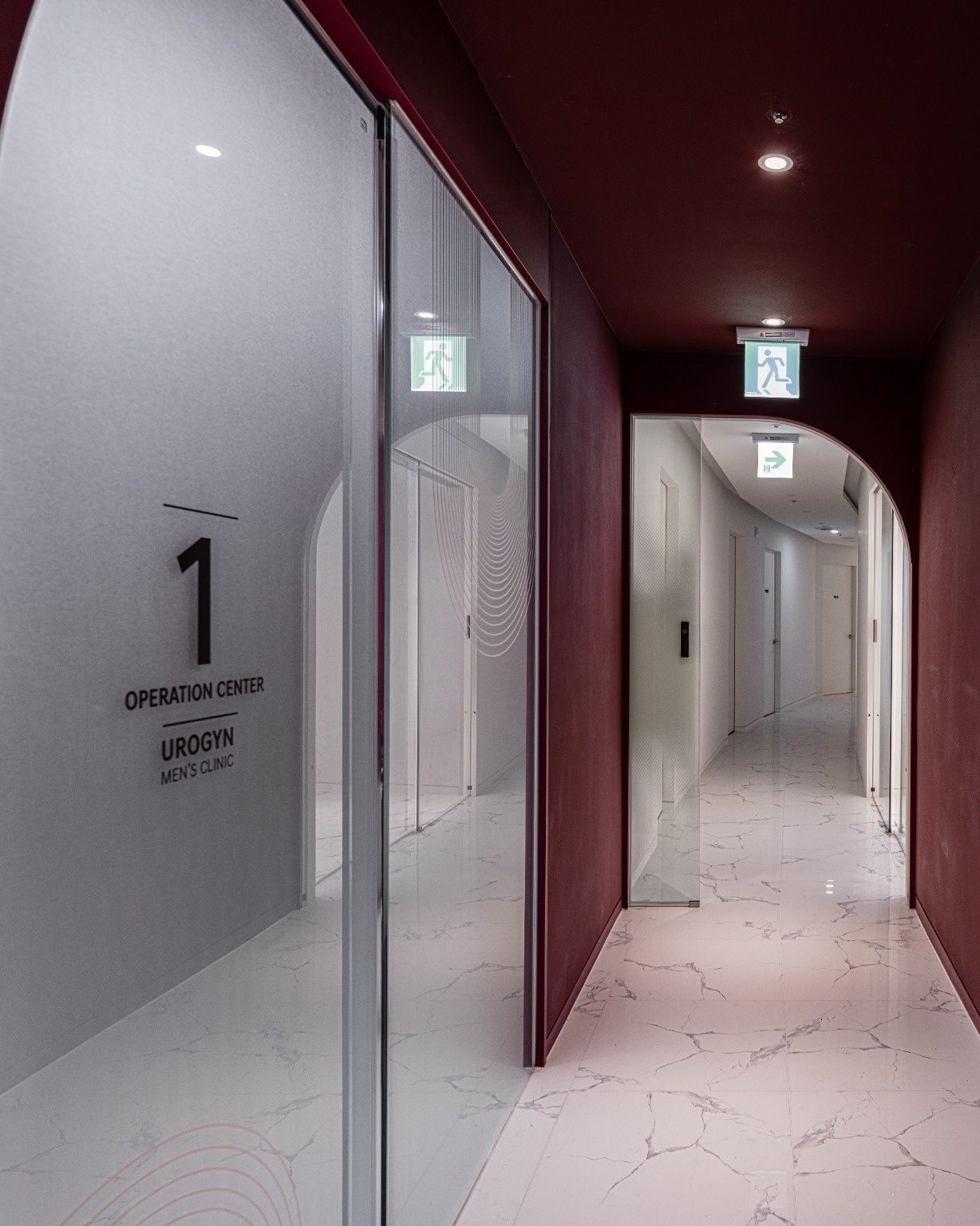
Privacy at the Clinic
How confidentiality works from the first message to the last receipt.
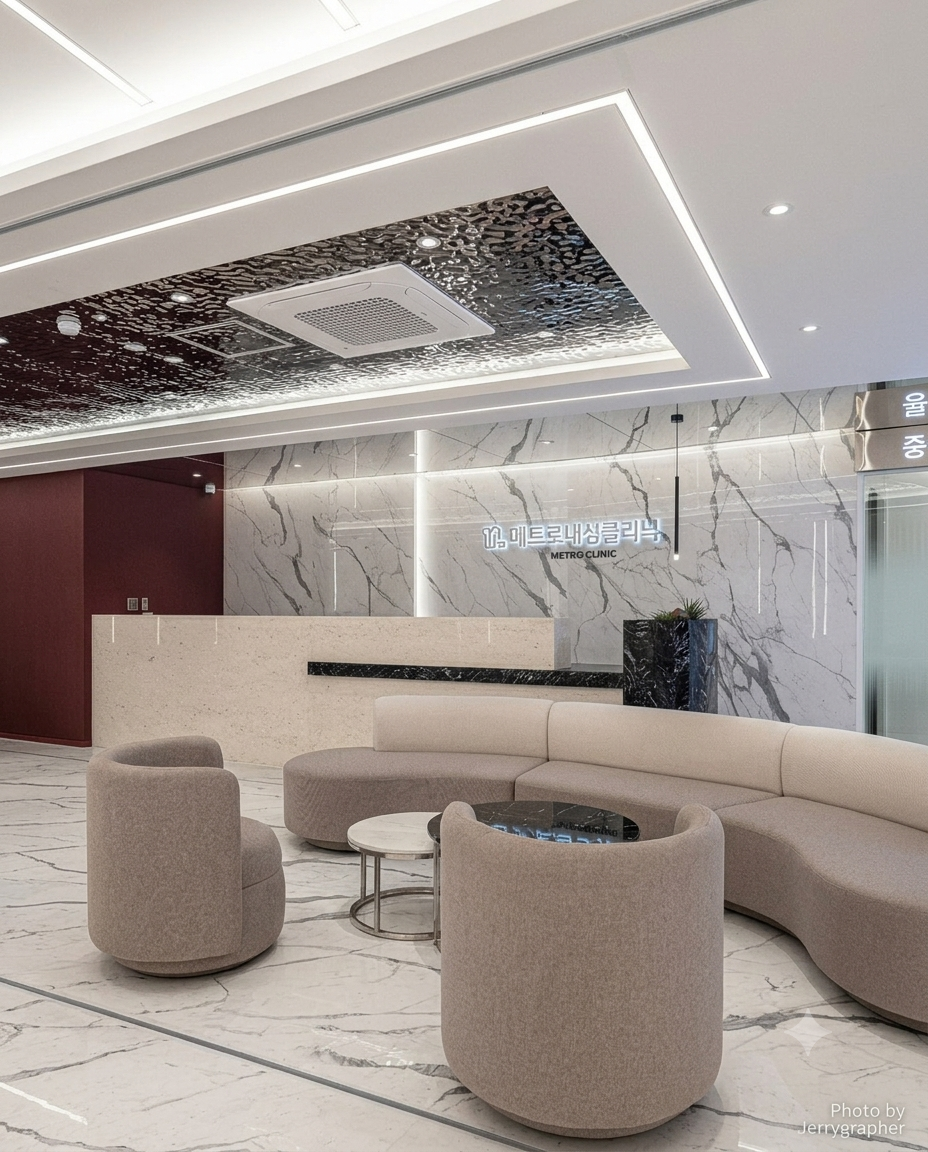
Do Foreigners Pay More?
How Korean self-pay pricing works and what a receipt shows.
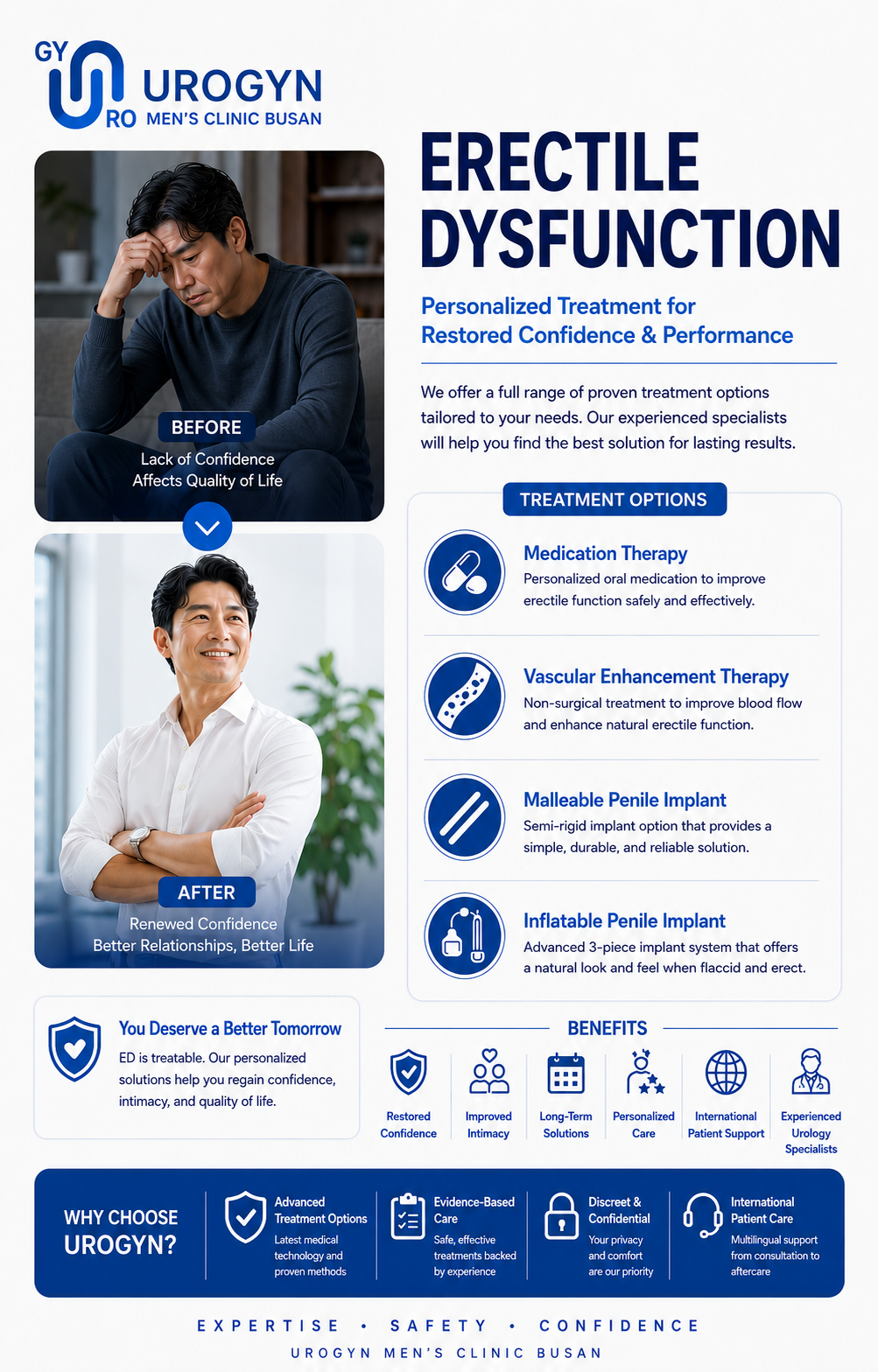
ED Medication in Busan
How a prescription written in Busan works once you are home.

Nebido vs Jenasteron
The injection interval that decides how refills work from abroad.
What to Bring
Which results from home are worth keeping and sending.
International Patients Guide
Follow-up after you fly, and who answers.
Urogyn Men's Clinic, Seomyeon
7F-702, Ion City Building, 74 Seomyeon-ro, Busanjin-gu, Busan 47299 — one minute on foot from Seomyeon Station Exit 7 (Lines 1 & 2).
Mon–Fri 10:00–18:00 · Sat 10:00–14:00 · Sun closed
부산광역시 부산진구 서면로 74 아이온시티빌딩 7층 702호 — show this to your taxi driver.
Say what paperwork you need. It is ready when you leave.
Tell the clinic in your first message which documents you will need — receipt wording, a summary for a home doctor, a certificate — and they are prepared as part of your visit to our Busan Seomyeon clinic, in English, issued to you alone.