
How privacy actually works at a men's clinic in Busan.
Discretion is the reason most men choose a specialist men's clinic over a hospital, and it should be something you can inspect rather than something you are told. This guide walks through every point at which a visit to our Busan Seomyeon clinic could become visible — the message, the desk, the room, the record, the receipt, the follow-up — and what the clinic does at each one, including what Korean law requires.
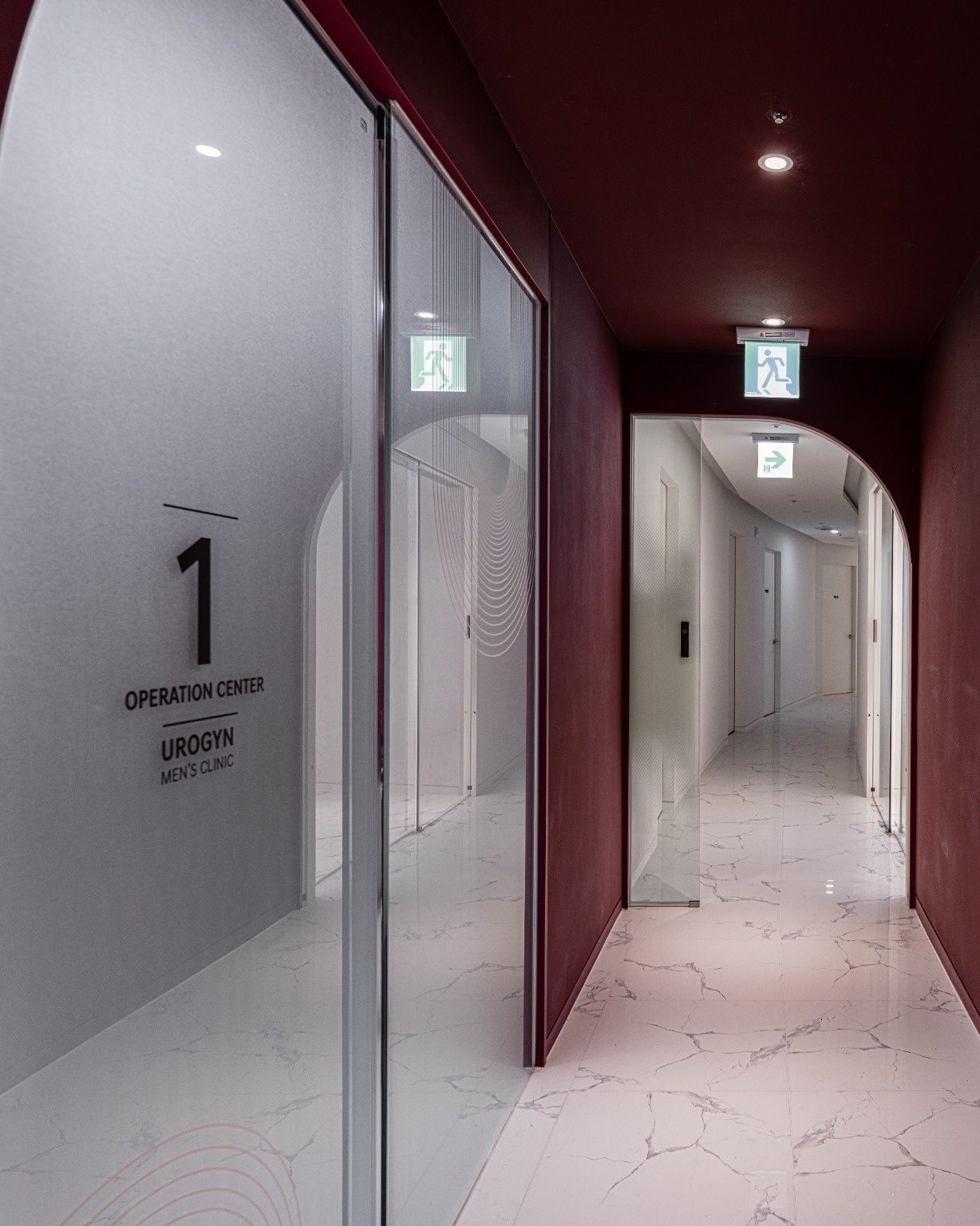
Why patients choose Urogyn
Strict privacy is one of the four things the clinic is built around — with one urologist, published prices and same-day treatment.
Read why choose us →- Will anyone hear why I am there?
- Who reads the photographs I send?
- Does Korean law actually protect my records?
- What will my card statement or receipt show?
- Can my employer, insurer or family find out?
Each is answered below, point by point, so you can judge the answer rather than take it on trust.
Where could a men's clinic visit in Busan become visible?
Six points: the message that books it, the desk you check in at, the room and the person you speak to, the record the clinic keeps, the receipt and card statement, and the follow-up afterwards. At Urogyn Men's Clinic in Busan Seomyeon each is handled deliberately — booking by message so nothing is spoken at a counter, one urologist who is the only clinician you meet, a closed consultation room, records bound by Korean medical confidentiality law, receipts issued only on request and only to you, and follow-up by direct message from the same doctor.
The rest of this page takes each point in turn. It states what the clinic does and, where a question is really about a bank or a law rather than about us, says so; the why choose us page sets out the standard the six points serve.
Point one: the message
Booking is by WhatsApp, LINE or KakaoTalk, in writing, which means nothing is said aloud to anyone. The message is read at the clinic desk and passed to the urologist; the reply comes from the clinic, in English, and states the plan and price. Photographs, if you choose to send them, are viewed by the urologist only, are not shared, and are kept only within your clinical record. The booking guide explains what to send; if you prefer not to send images at all, the urologist works from your description and examines on the day.
Point two: the desk
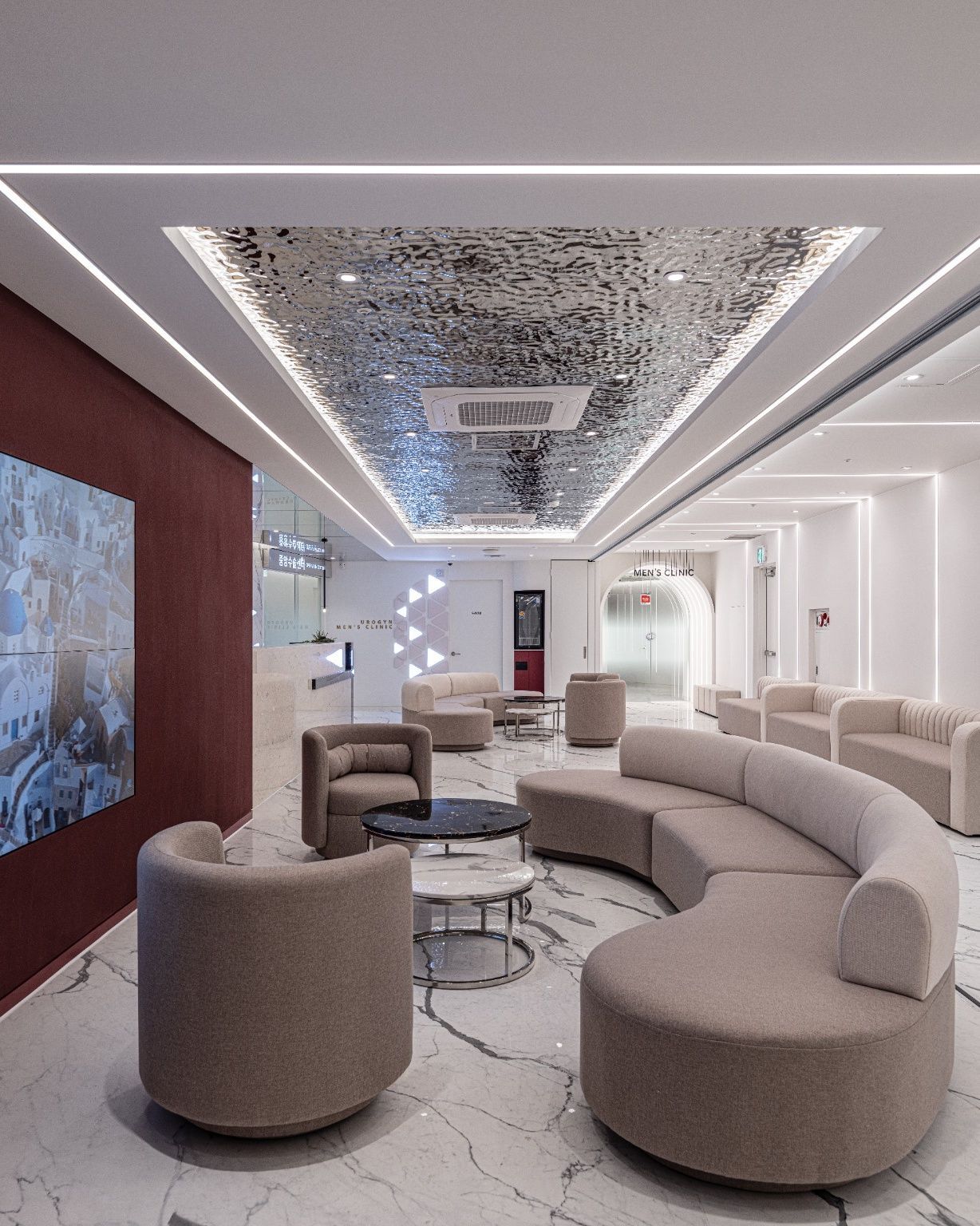
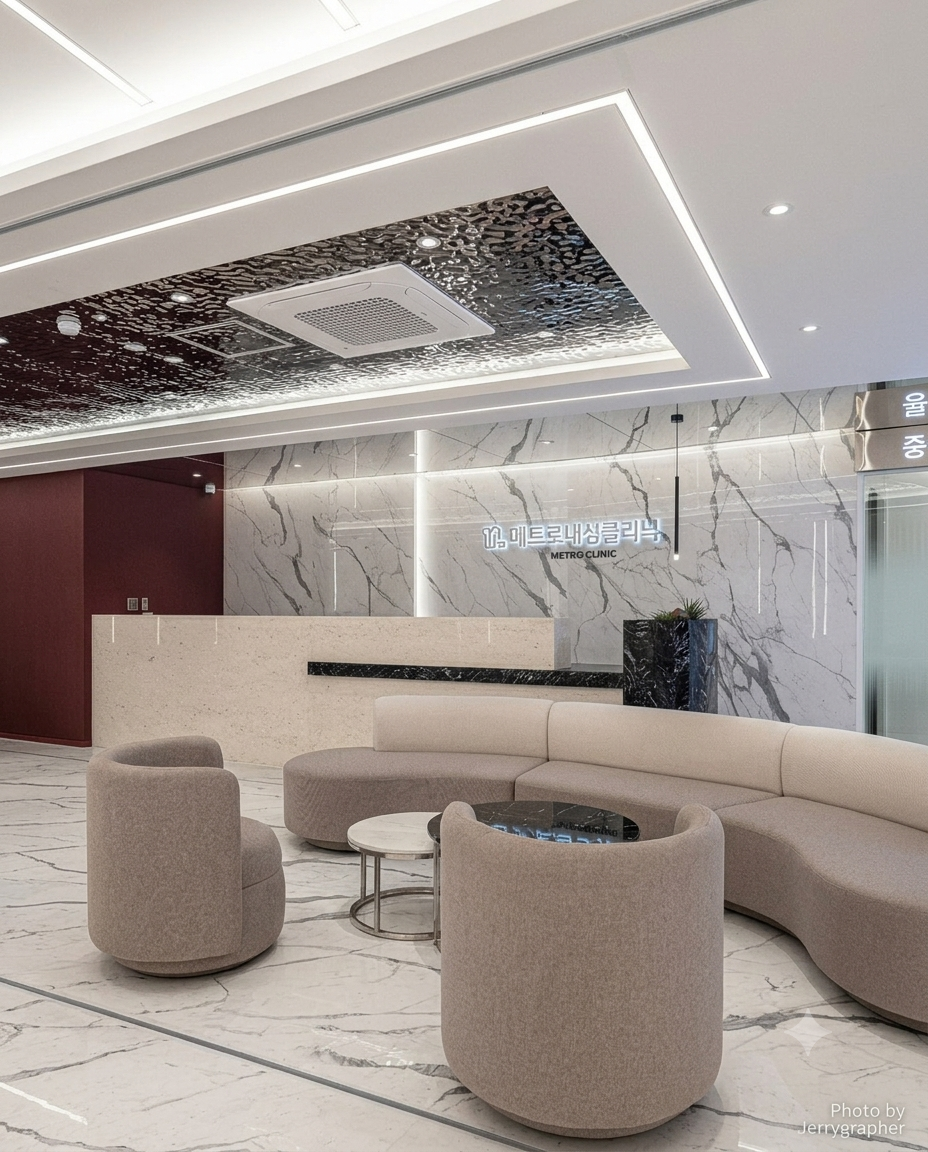
A booked patient at our Seomyeon clinic gives a name at reception and nothing else. The reason for the visit is already in the record from the message, so the desk asks nothing about it and says nothing about it; you are taken to a consultation room. The desk exists to check you in and to settle fees afterwards, and both are done without the concern being spoken. The walk-in guide explains the one situation — arriving unannounced — where the desk has to ask, and why a message an hour before avoids it.
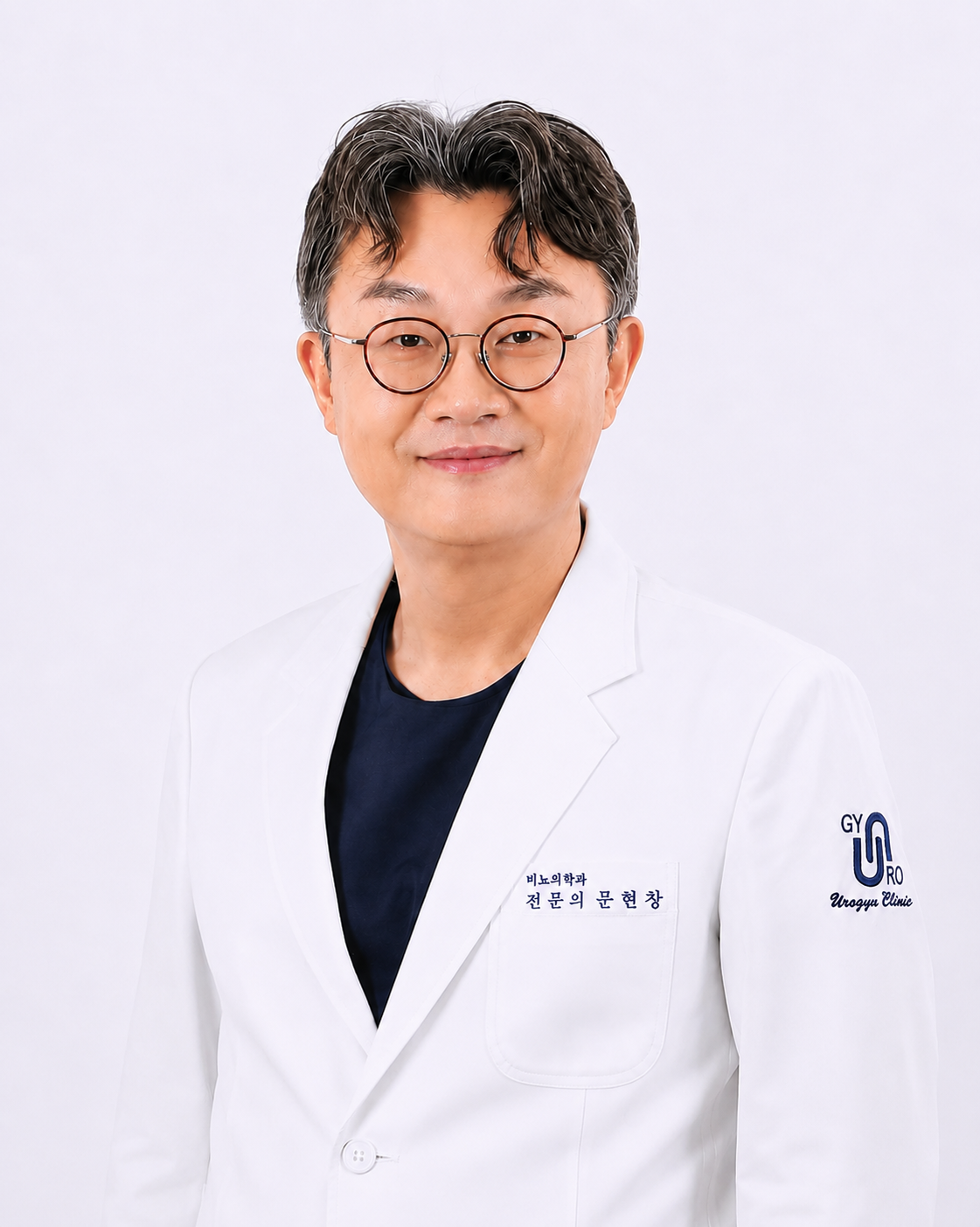
The only clinician you meet
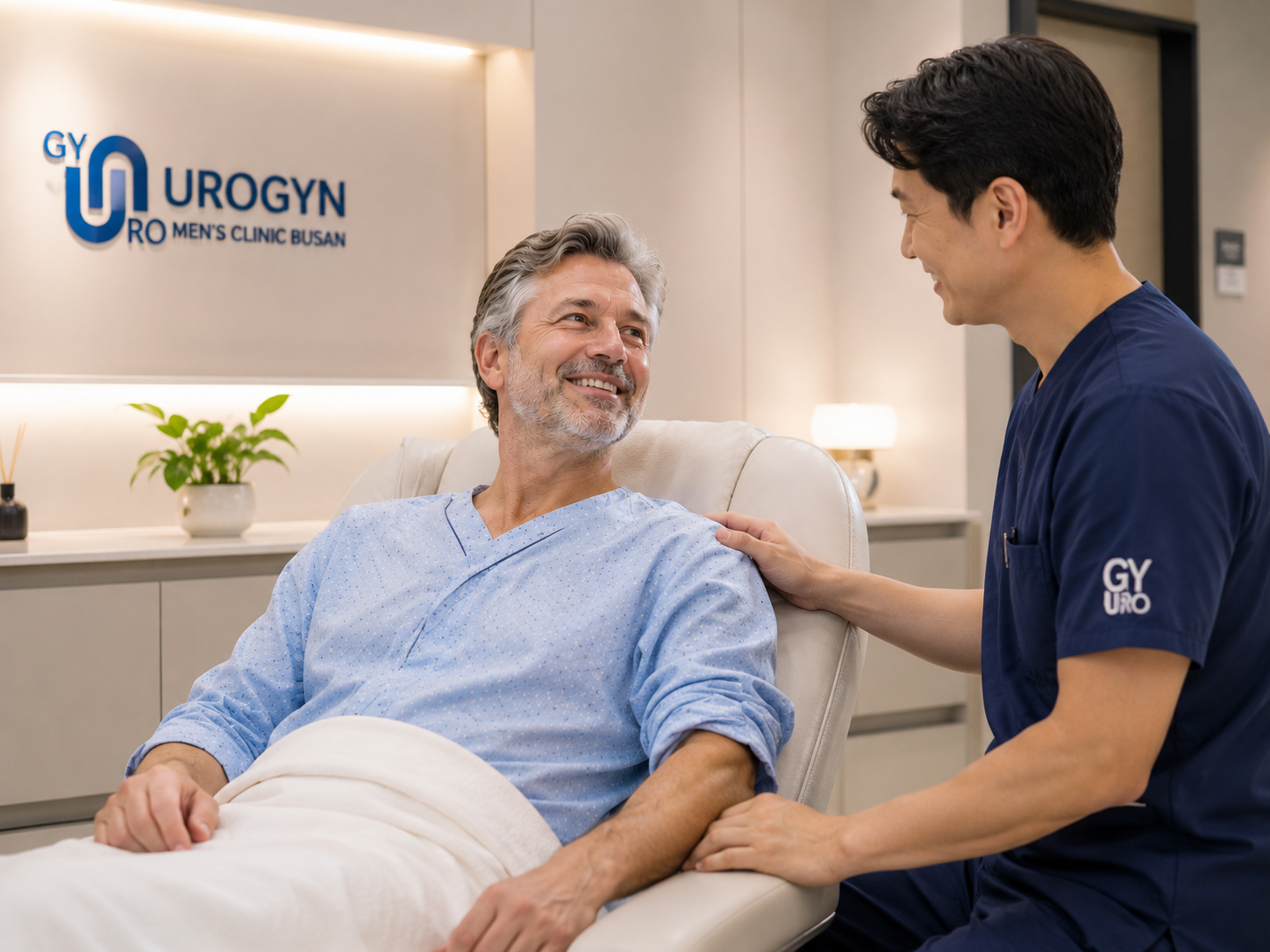
The urologist who reads your message consults with you, performs any procedure and answers your follow-up — no interpreter, no coordinator, no second team.
Read about English care here →Point three: the room and the doctor
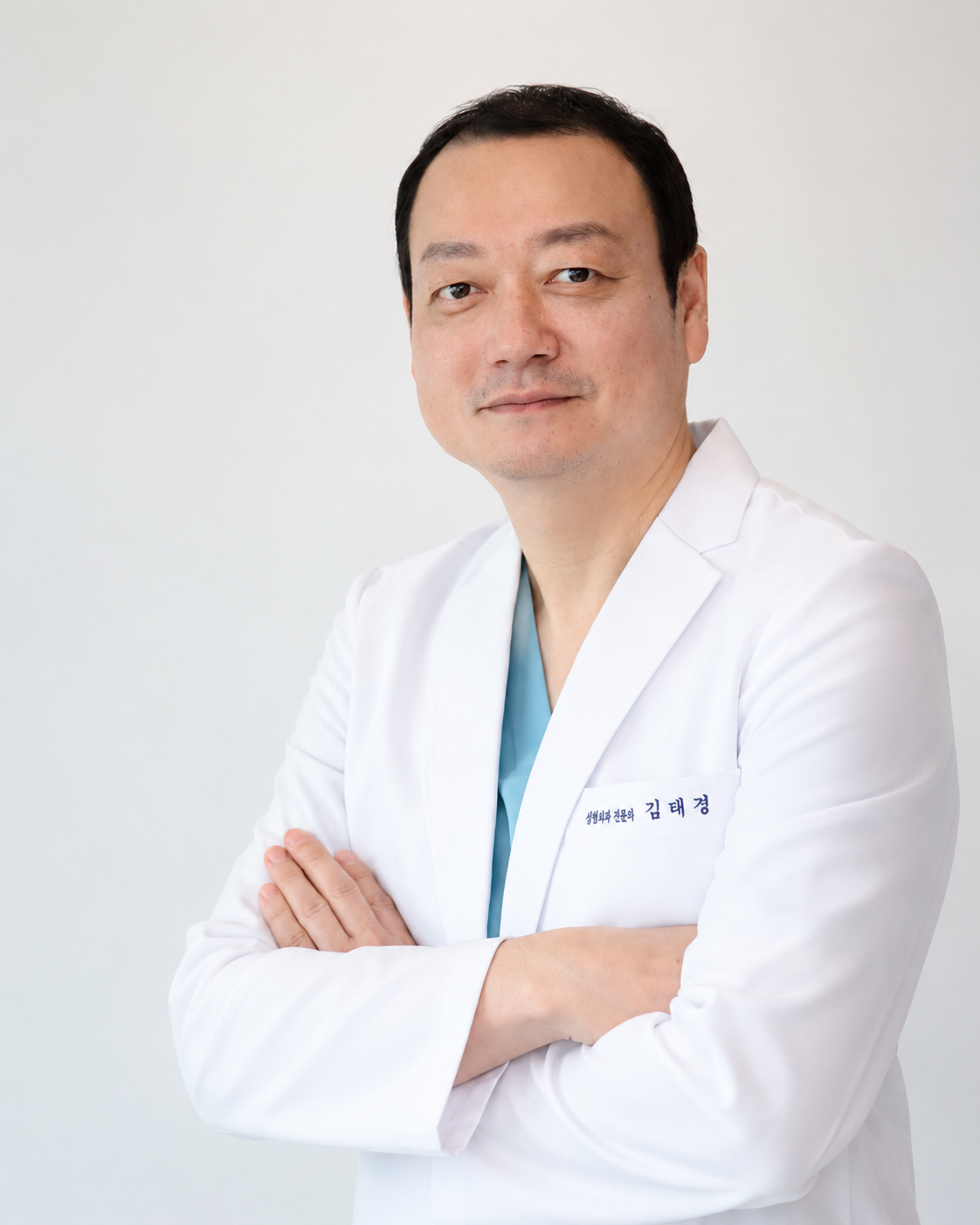
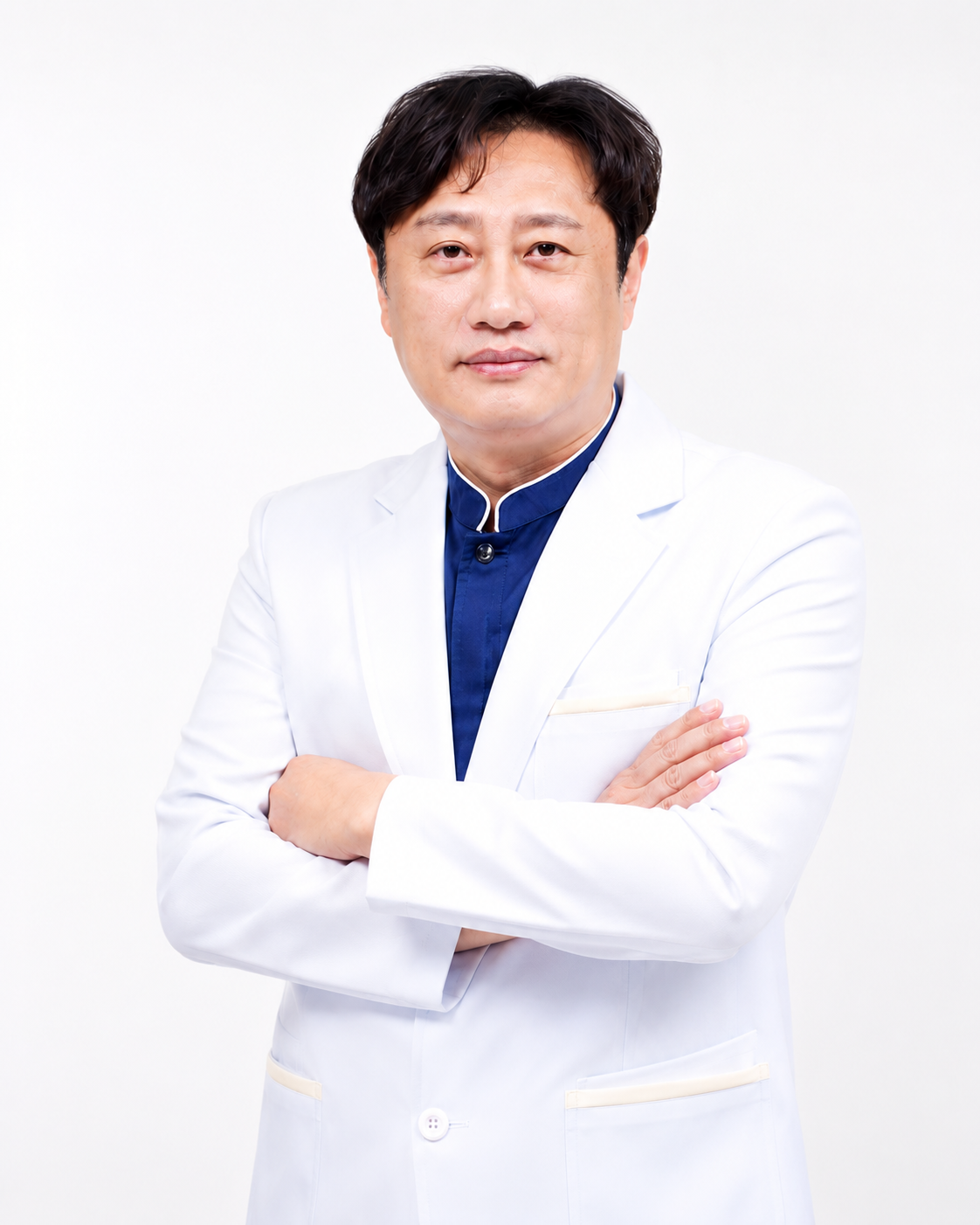
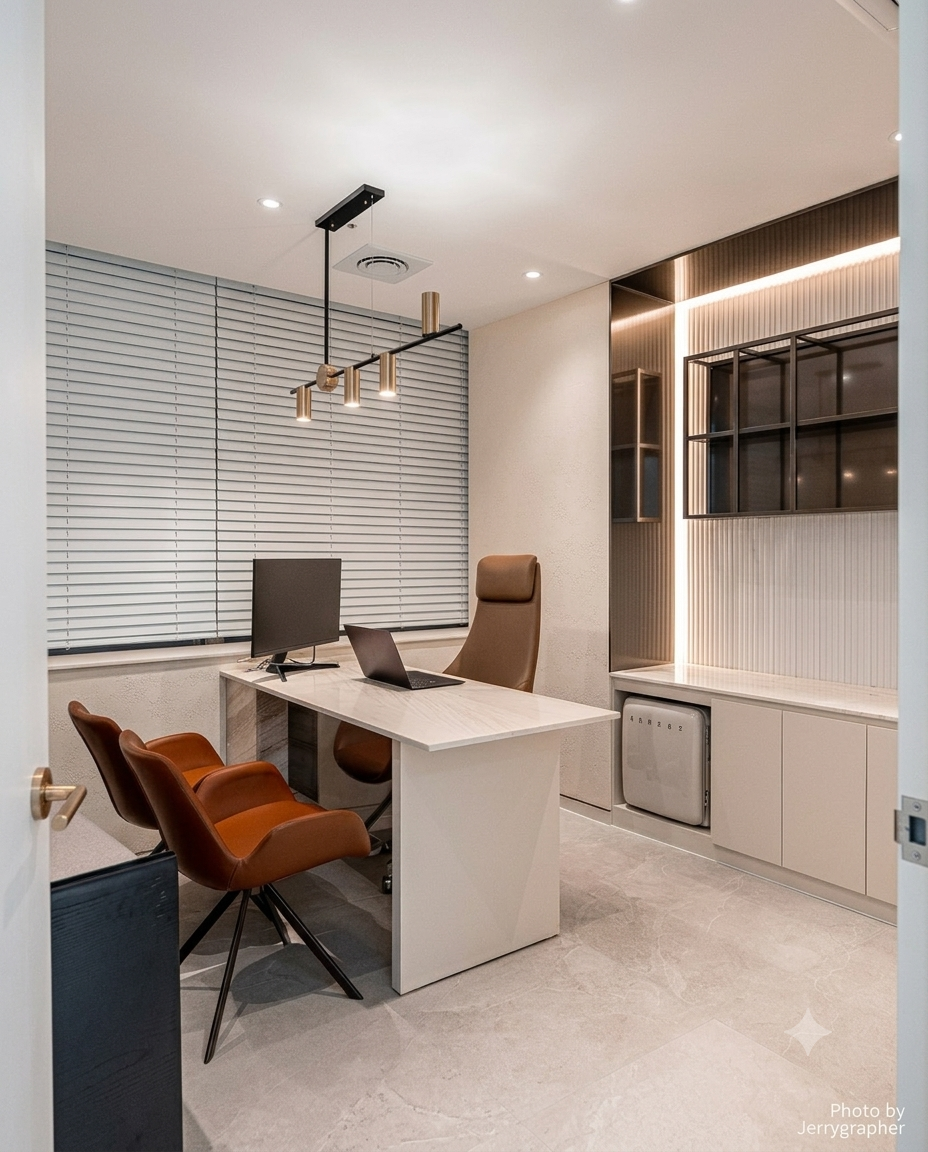
The consultation at our Busan clinic is in a closed room, with one urologist — Dr. Moon Hyeon-chang, Dr. Kim Tae-kyung or Dr. Kim Jin-seong — and you, unless you have brought someone you want present. There is no interpreter, because the urologist speaks English; there is no coordinator, because the clinic does not use one; and there is no junior doctor or nurse triage, because the specialist you will be treated by is the one you meet. Examination is in the same room with the same person. Procedures are performed by that same urologist in the clinic's own procedure room. The team page introduces the three; the point for privacy is that the number of people who know why you came is one.
Point four: the record and Korean law, as applied in Busan
Korean medical law places a duty of confidentiality on clinics and clinicians: information learned in the course of care may not be disclosed to third parties without the patient's consent, and breaches carry legal penalties. In practice at Urogyn that means your record — the consultation notes, results, photographs, procedure details — is held by the clinic and seen by the treating urologist, and is not released to insurers, employers, family members, other clinics or anyone else unless you ask in writing. Foreign patients are protected in exactly the same way as Korean patients; the law does not distinguish. The records guide covers what you can request from your own record and how.
- 1 Held by the clinic. Consultation notes, results, photographs, procedure records. Not shared between clinics without your written request.
- 2 Seen by your urologist. The doctor treating you. Not a rotating team.
- 3 Released only on your written instruction. To a home doctor, an insurer, anyone — only when you ask, and only to whom you name.
Point five: the receipt and the card statement
Two different things, and honesty requires separating them — at our Busan clinic as anywhere. The receipt is the clinic's document: it is issued only if you ask for one, only to you, and in the wording you need — itemised for an insurer, or otherwise as the clinic is able to word it; ask before you pay and the answer is given in writing. The card statement is your bank's document: how a Korean merchant name appears on a foreign card statement is set by the card network and the bank, not by the clinic, and the clinic cannot control or predict the exact wording. If statement wording matters to you, ask the desk what the merchant name is before paying, and decide how to pay with that knowledge. The pricing guide covers what a receipt must contain for an insurer.
On request only. Issued to you. Wording discussed before payment.
Merchant name set by the card network and your bank. Ask the desk what it is before you pay.
Point six: follow-up after you leave
Follow-up from Busan is by direct message from the urologist who treated you, in the same thread you booked from. Results are sent to you and explained; healing questions are answered by the doctor who performed the procedure; nothing is sent to anyone else, and the clinic does not initiate contact beyond what your care requires — no marketing, no reminders you did not ask for. If you want a home doctor involved, you say so and name them, and a summary is issued to you to pass on. The international patients guide describes how follow-up runs once you have flown.
What privacy cannot cover
Three honest limits. The clinic in Busan cannot control your own devices, accounts or the people you choose to tell. It cannot control how your bank labels a transaction. And it cannot make a visit invisible to someone who is physically with you — a travelling companion who knows where you went knows where you went. What it can do is ensure that nothing about why you came is spoken, written or transmitted by the clinic to anyone but you and your urologist, and that Korean law stands behind that. Men who want the visit to be entirely their own affair usually find that this, plus a little care with their own phone, is enough.
How it runs at our Busan Seomyeon clinic — and your next step
Book by message so nothing is spoken. Give your name at the desk and nothing else. Meet one urologist in a closed room, in English. Ask about receipt wording before you pay. Receive results and follow-up from the same doctor, to you alone. If any point on this page raises a question the page has not answered, put it in your first message — the contact page has the links — and you will receive the answer in writing before you decide to come. For the visit itself, see the first visit guide; for the standard behind all six points, the why choose us page.
- Is an STD test result reported to anyone? Results are given to you. Korean public-health reporting obligations apply to a small number of notifiable infections and are anonymised; they do not involve your employer, insurer or immigration status. The STD testing page explains how results are delivered.
- Can I use a different name? The clinical record must match your identity document, because Korean law requires it and because your safety depends on it. What the clinic can do is ensure that name is spoken and written only where the law and your care require.
The urologists who perform your vasectomy.
Every guide on this site is written and reviewed by the three board-certified urologists below. The doctor who consults with you is the doctor who operates and answers your follow-up — never a junior doctor or a different surgeon.
Privacy at the clinic — FAQ
Related pages and next reads
Why Choose Urogyn
Privacy, one urologist, published prices, same-day treatment — the standard.
Book a Urologist in English
Booking by message — the first privacy step.
Records & Prescriptions
What you can request from your own record and who can see it.

STD Testing in Busan
Discreet testing with results delivered to you alone.
First Visit: What Happens
The desk, the room and the doctor, minute by minute.
About Urogyn & the Team
The three urologists — one of whom is the only clinician you meet.
Urogyn Men's Clinic, Seomyeon
7F-702, Ion City Building, 74 Seomyeon-ro, Busanjin-gu, Busan 47299 — one minute on foot from Seomyeon Station Exit 7 (Lines 1 & 2).
Mon–Fri 10:00–18:00 · Sat 10:00–14:00 · Sun closed
부산광역시 부산진구 서면로 74 아이온시티빌딩 7층 702호 — show this to your taxi driver.
One message. One doctor. One recipient for everything.
Book by message, give your name at the desk, meet one English-speaking urologist in a closed room, and receive results and follow-up from that same doctor to you alone — at our Busan Seomyeon clinic, backed by Korean confidentiality law.